
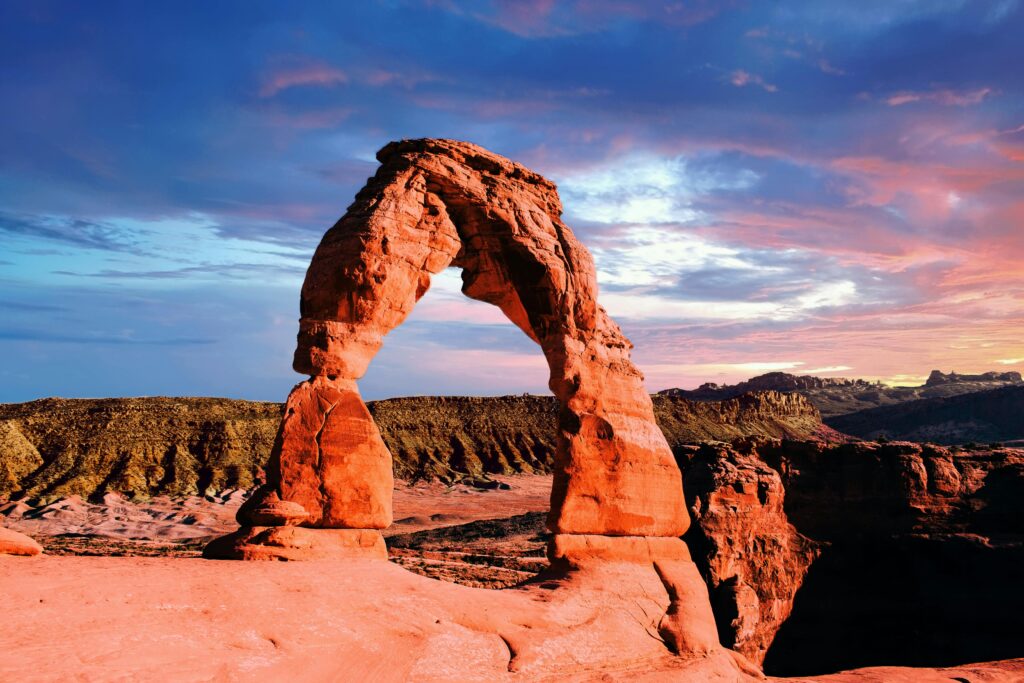
Utah is not just for hardcore hikers or road trip die-hards. It has many stunning areas that are worth the drive. However, not all of them are easy to visit, and the season can make or break your experience.
This guide covers the top spots, what you can expect to see, how they got their names, and a few tips for planning a trip.
Arches National Park
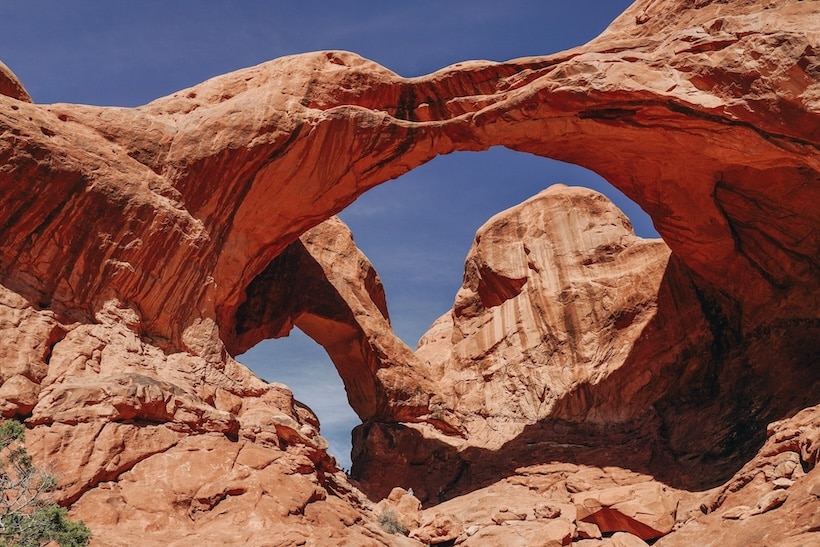
Arches National Park is outside Moab, within 10 minutes. The park gets its name from its over 2,000 natural arches. You can drive through and stop at different spots without planning a full-day hike.
There are plenty of viewpoints, and the short trails lead right to the arches. Remember to bring water and snacks and go early in the morning when it’s cool.
Zion National Park
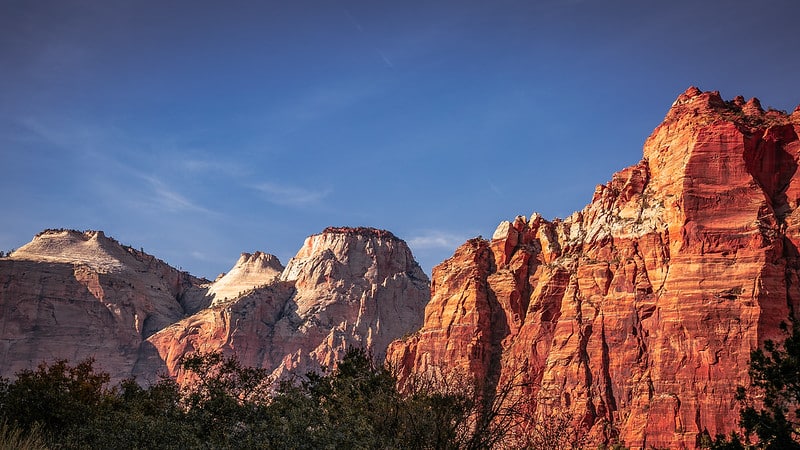
Zion is one of the easiest national parks to reach, just a few hours from Las Vegas. Zion stands out for its steep red cliffs and narrow canyons. The main access is through Springdale, where you can catch the shuttle into the canyon.
The perfect time to visit is usually early spring and late fall when there are fewer people and cooler weather.
Bryce Canyon National Park
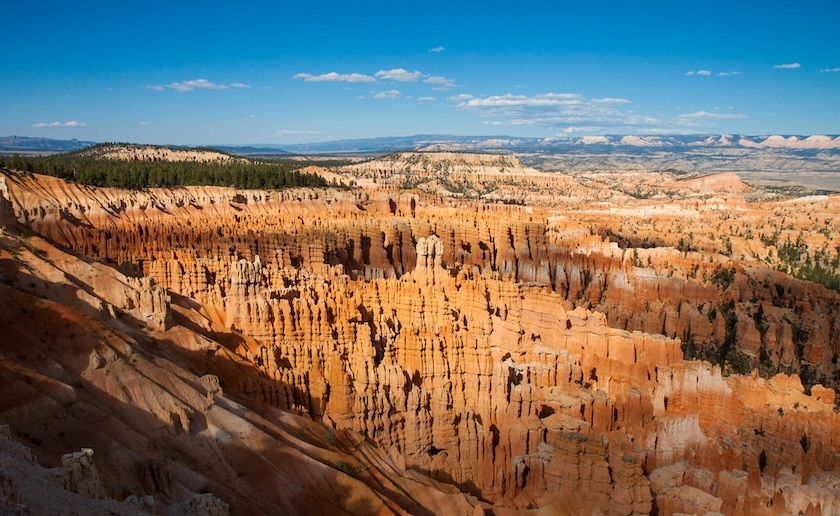
Bryce Canyon is in southern Utah, much higher than the other parks. Its temperatures are much cooler because it is over 8,000 feet above sea level.
While the name originated from a homesteader (Ebenezer Bryce), the rock formations are millions of years old. Spring and fall are the best time to visit because of cooler temperatures, fewer crowds, and perfect light for photos.
Capitol Reef National Park
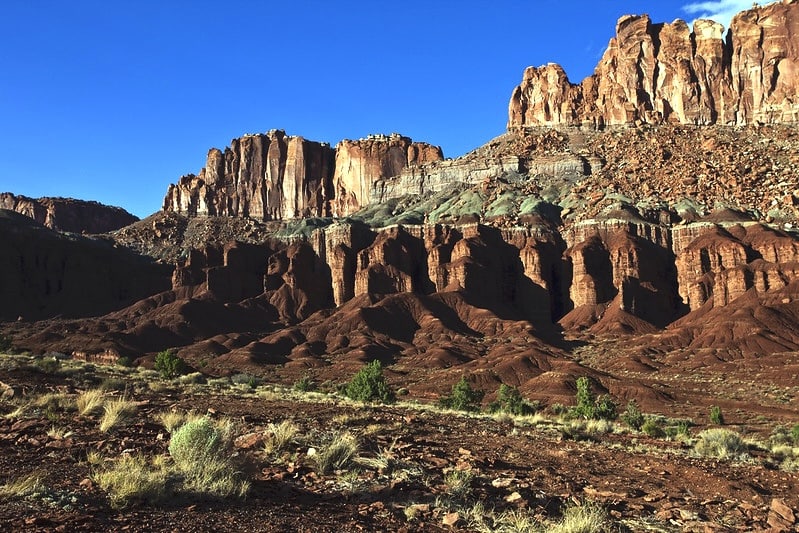
Capitol Reef is in central Utah, between Bryce and Canyonlands. The park was named for the white domes that early explorers thought resembled the U.S. Capitol, while the rocky ridges reminded them of ocean reefs.
If you’re in the area, Fruita is worth the stop for fresh seasonal fruit. Visiting the park in late spring and early fall is best for cooler temperatures.
Monument Valley
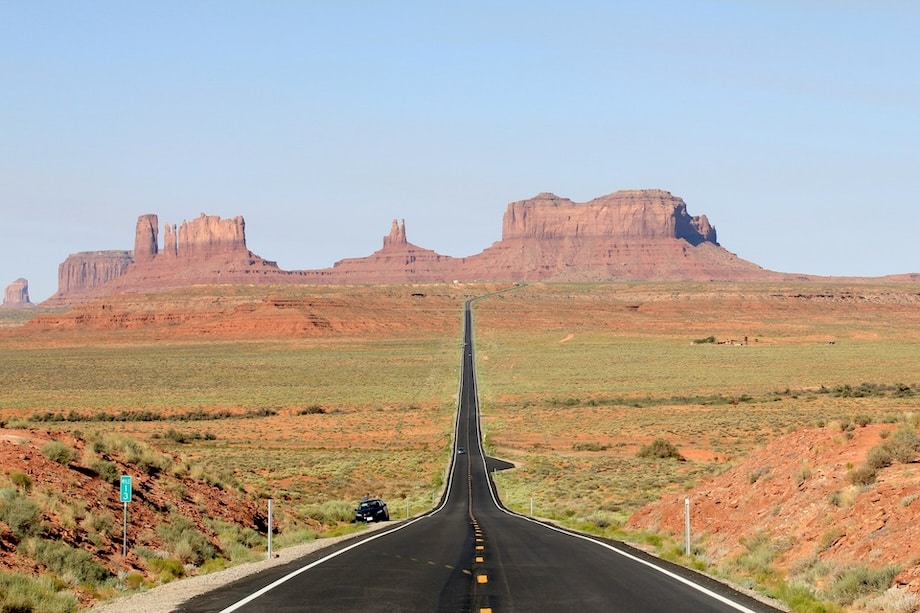
Monument Valley is on the Utah-Arizona border, inside Navajo Nation land. The name comes from huge stone buttes resembling monuments across the desert floor.
While you can drive the 17-mile Valley Drive yourself, you’ll need Navajo-guided tours to reach remote spots. Mornings and late afternoons are ideal for photos, and it’s best to visit in spring and fall to avoid the heat.
Canyonlands National Park
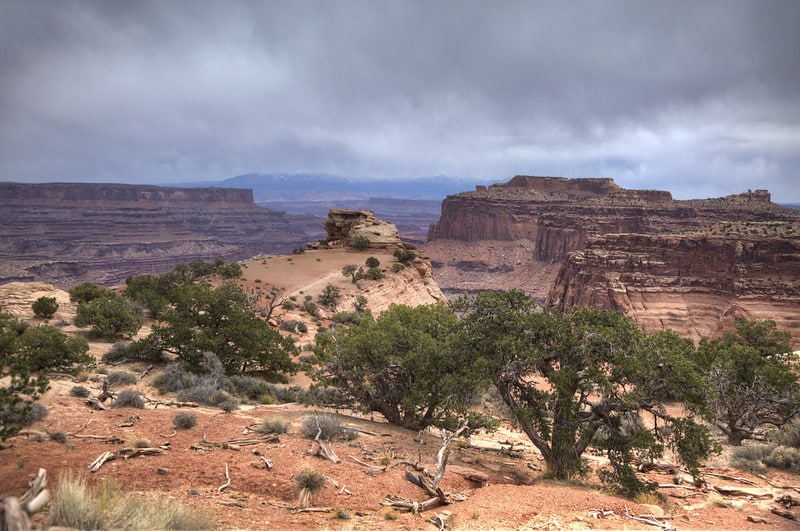
Canyonlands is in eastern Utah, 35 minutes southwest of Moab. It is divided into three parts. The name comes from how the rivers shaped the land into layers and deep channels.
Most visitors go to Island in the Sky because it’s closest and has paved roads. Spring and fall are the best seasons to visit, and sunrise and sunset are the best for stunning photos.
Dead Horse Point State Park
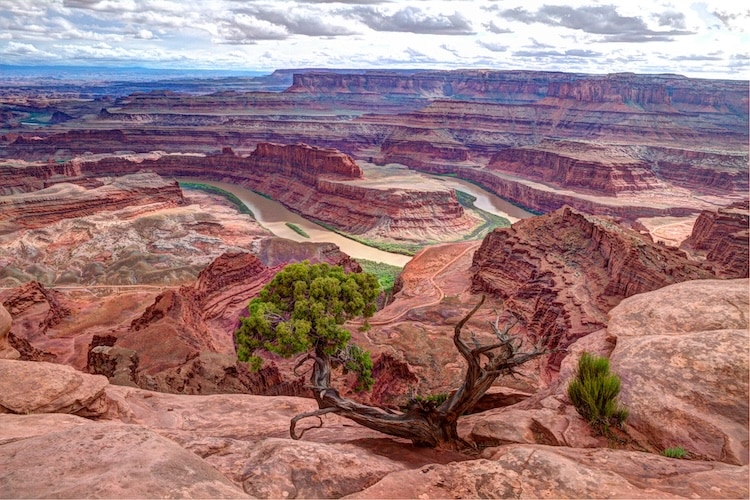
Dead Horse Point is about 45 minutes from Moab, and the name comes from an old story about horses left corralled on the cliff’s edge. Locals tell the story; you’ll get a different version each time, depending on who you ask.
The main overlook gives you a clear view of the Colorado River, and early mornings or late afternoons are the best weather-wise.
Goblin Valley State Park
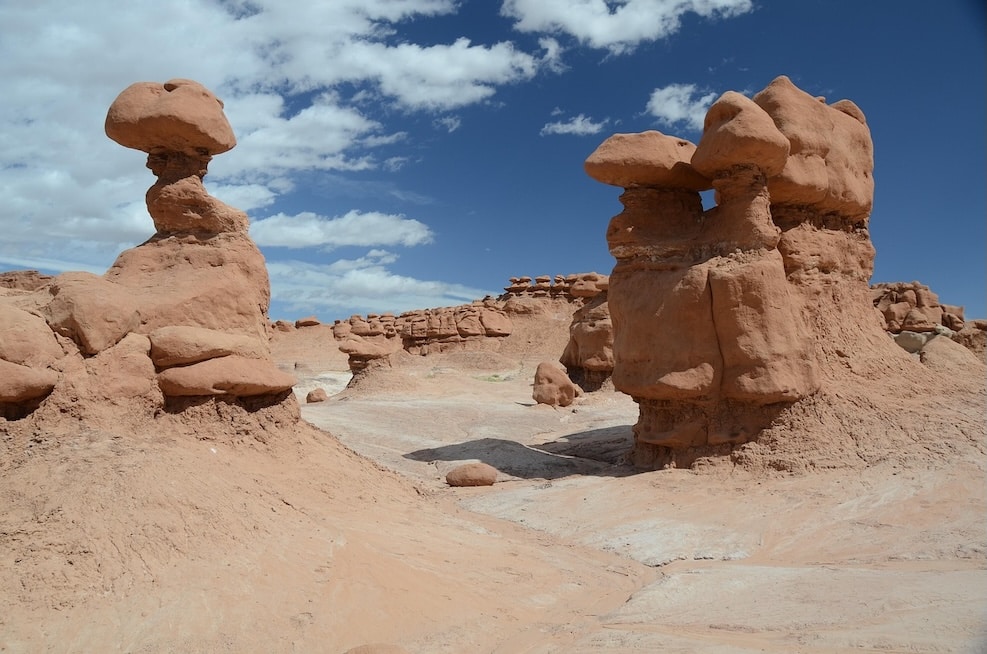
Goblin Valley is in central Utah, between more popular stops. Thousands of short, rounded rock formations look like mushrooms in low light. This park is one of the only areas where walking off-trail is often encouraged.
If you plan on hiking through the area, remember sun protection and shoes with grip. Mornings in April or late September are ideal for exploring the valley.
Great Salt Lake
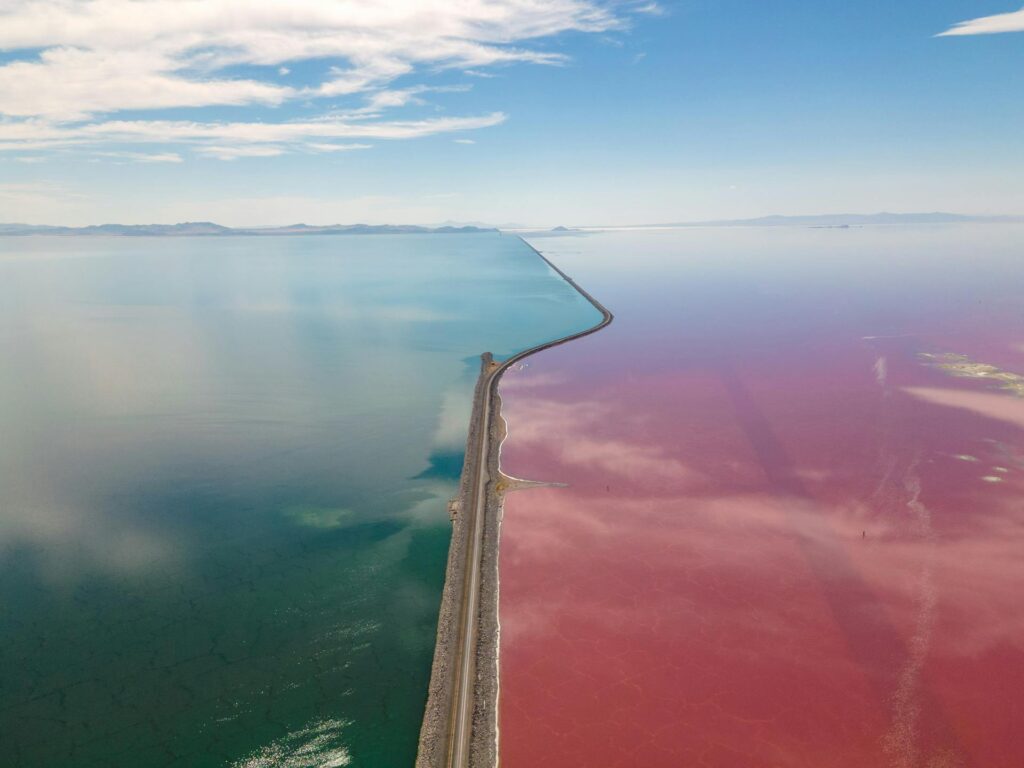
Great Salt Lake is located just northwest of Salt Lake City. Its name comes from the high salt levels left behind after an ancient lake dried up. The shoreline changes with rainfall and snowmelt, and Antelope Island has the best public access.
The bugs and heat can be overwhelming in the summer, so the best time to visit is late spring.
Snow Canyon State Park
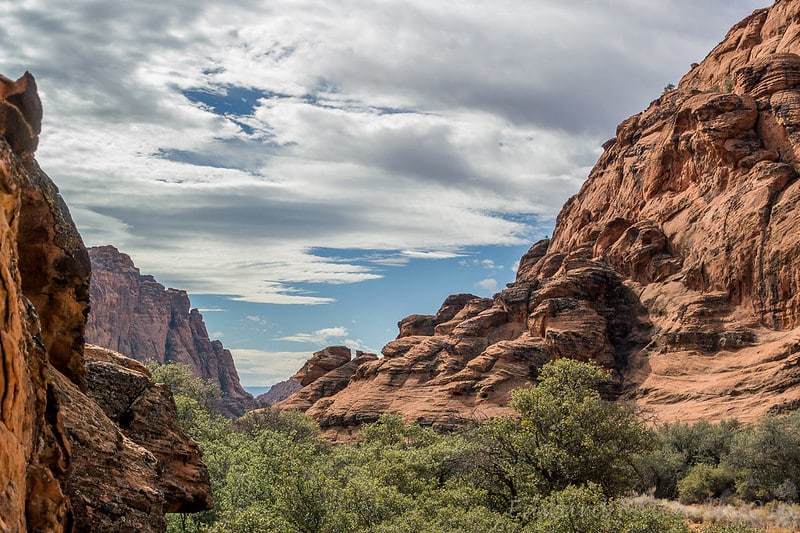
Despite its name, Snow Canyon doesn’t have snow. It is located in Red Cliffs Desert Reserve, just north of St. George, and was named after early settlers. The park features red and white sandstone, lava fields, and short, easy trails.
The summer heat can be intense, so it’s best to plan a visit in October when the mornings are cooler and there are fewer crowds.
St. George’s Historic Downtown
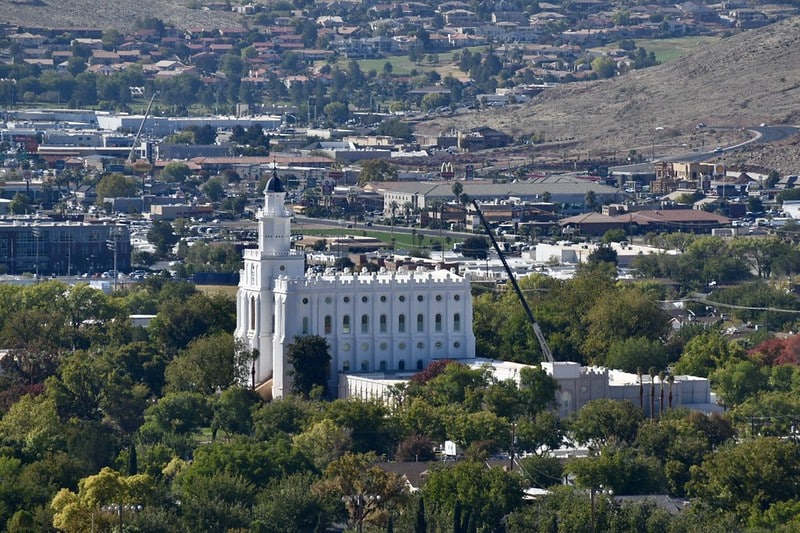
St. George’s Historic Downtown is in the heart of town, with a small stretch of preserved buildings and landmarks. Within a few blocks, you can see the historic courthouse, tabernacle, and the oldest LDS temple in Utah.
It can get extremely busy, so eating early helps. Weekday mornings are the best time to avoid crowds; fall weather makes long walks and exploring easier.
Escalante Petrified Forest
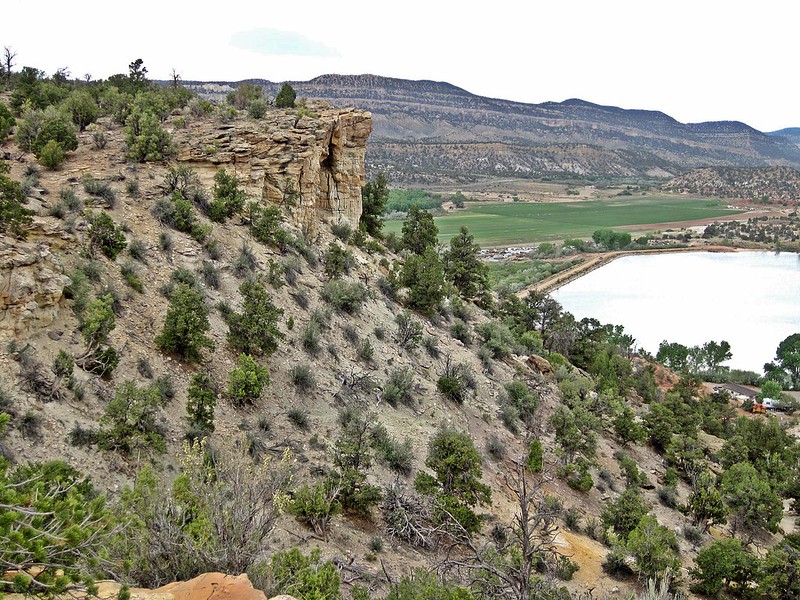
Escalante Petrified Forest is named after the ancient forest preserved in stone on the hill. It is located along Scenic Byway 12, part of Utah’s state park system.
Large tree trunks sit right off the path behind the visitor center, some with polished, colorful cross-sections. Mid-spring is the best time to go than summer because shade is limited.
Kodachrome Basin State Park
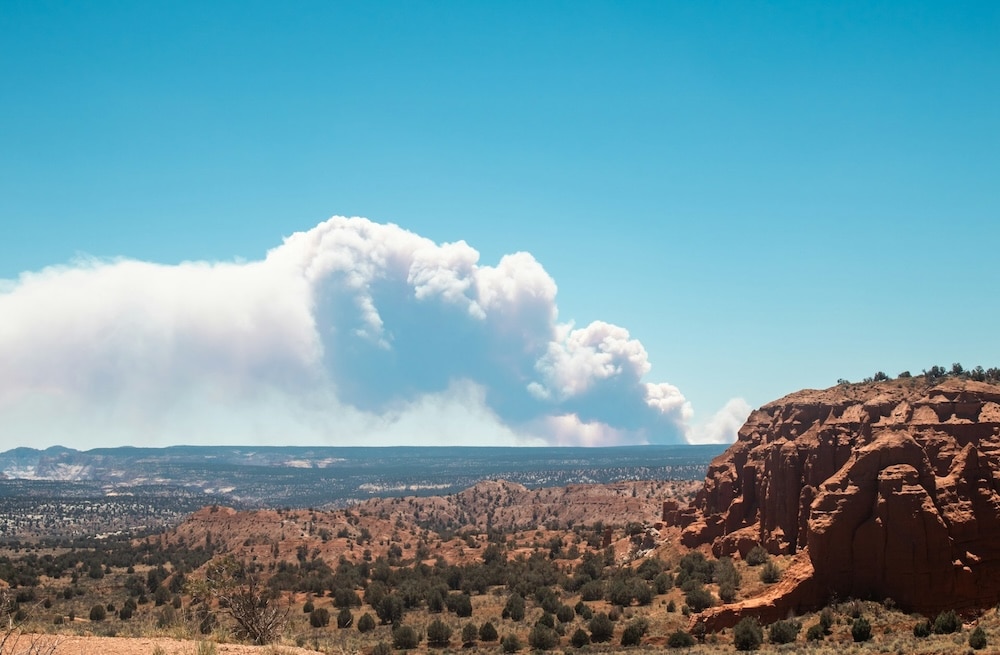
Kodachrome Basin is near Cannonville, a small town just east of Bryce Canyon. The park was named after the color-rich film that captured its scenery in the 1940s.
More than 60 sandstone chimneys are scattered throughout the landscape, and the Panorama Trail offers close-up access without hard hiking. Summer can be dry and hot, so October visits are best.
Bear Lake
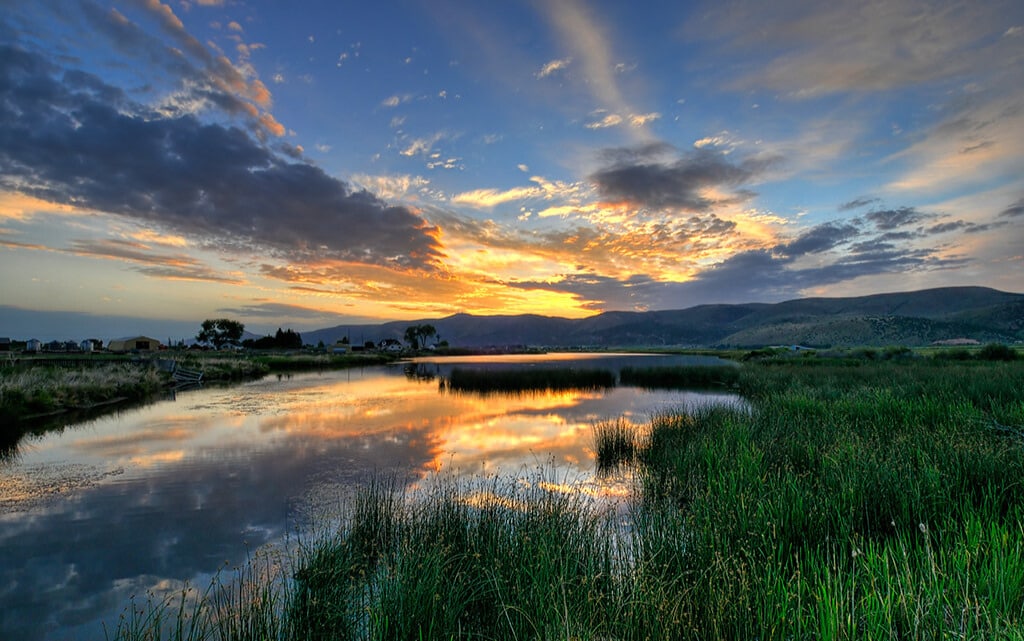
Bear Lake sits on the Utah-Idaho border and is known for its clear turquoise water. Locals call it the “Caribbean of the Rockies.” The color comes from natural minerals in the lakebed.
Early trappers spotted bears nearby, so the lake was named Bear Lake. The best time to visit is June through early September, especially if you want to swim or boat.
Brian Head (South Utah)
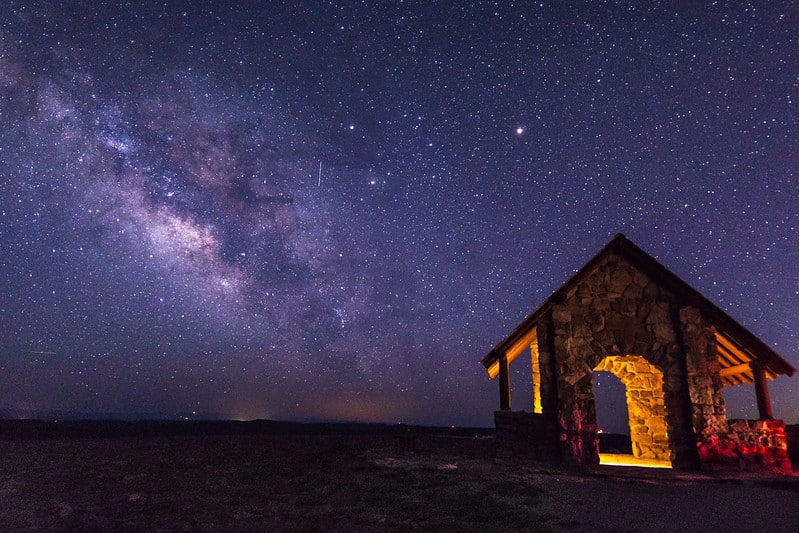
Brian Head is Utah’s highest town, sitting above 9,800 feet in the state’s southwest corner. The name came from a nearby peak once called Monument Peak, later renamed after a U.S. surveyor.
During summer months, there’s easy access to hiking trails and overlooks. During the winter, the ski resort area opens for mountain biking and chairlift rides.
