

Some of the world’s most dangerous infections don’t come from obvious sources—they come from the creatures we cross paths with every day. Whether it’s a buzzing mosquito or an innocent-looking deer, the animal kingdom has its fair share of health hazards.
Knowing which ones to watch out for (and how to avoid them) could save you from a nasty illness. Let’s break it down.
Mosquitoes
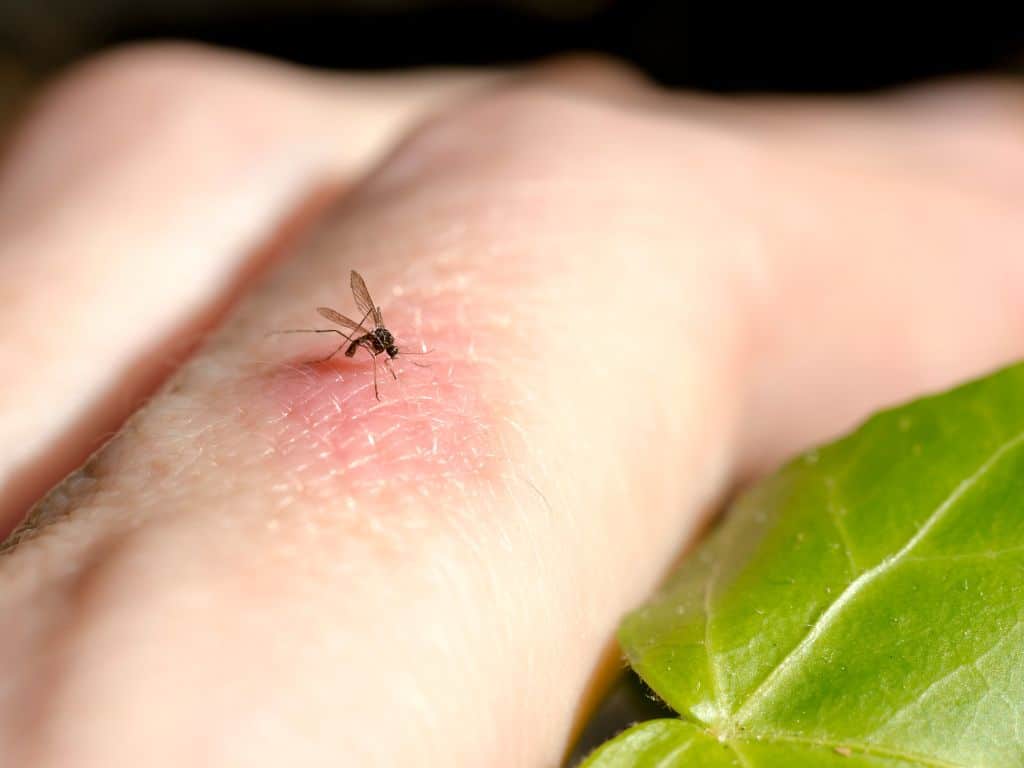
Mosquitoes aren’t just backyard pests—they’re nature’s most efficient disease delivery system. Malaria, Zika, West Nile virus, dengue—these little bloodsuckers carry a terrifying résumé.
If you’re outside at dusk, consider yourself a walking buffet. Standing water? That’s their breeding ground, so get rid of it. And if you think citronella candles alone will save you, think again. Stick to DEET-based repellent and long sleeves.
Ticks

Ticks are like nature’s hitchhikers, but instead of bumming a ride, they bring Lyme disease and Rocky Mountain spotted fever. They love hanging out in tall grass, waiting for an unsuspecting human (or dog) to walk by.
Once they latch on, they’re in it for the long haul. If you’ve been in a tick-prone area, check EVERYWHERE—scalp, armpits, behind your knees. Found one? Tweezers. No fire, no Vaseline—just pull it out.
Bats

Bats may be MVPs for insect control, but they’re also viral hot zones. Rabies, coronaviruses, Ebola—just to name a few. And you don’t even need to get bitten to be at risk. Their droppings (guano) can spread histoplasmosis, a nasty lung infection.
If one sneaks into your house, DO NOT try to catch it yourself. Call animal control, and if you had close contact, consider a rabies shot. Better safe than sorry.
Rodents

If you see one mouse, assume there’s a whole mouse mafia hiding in your walls. Rats and mice aren’t just annoying—they’re little disease factories carrying hantavirus, leptospirosis, and, yes, even the plague. (History buffs, take note.)
Their urine and droppings can turn your kitchen into a biohazard zone. Keep food sealed, set traps, and don’t forget to check dark corners—they love those. If you spot droppings, disinfect them before cleaning.
Dogs

Dogs may be loyal, but they can also pass along some nasty stuff—rabies, roundworm, and even bacterial infections from licks or scratches. Puppies, in particular, can carry campylobacter, which leads to some brutal stomach issues.
Regular vet checkups, vaccinations, and good hygiene keep risks low. And if a random stray bites you? Get medical help immediately. Rabies is not something you want to gamble with.
Cats
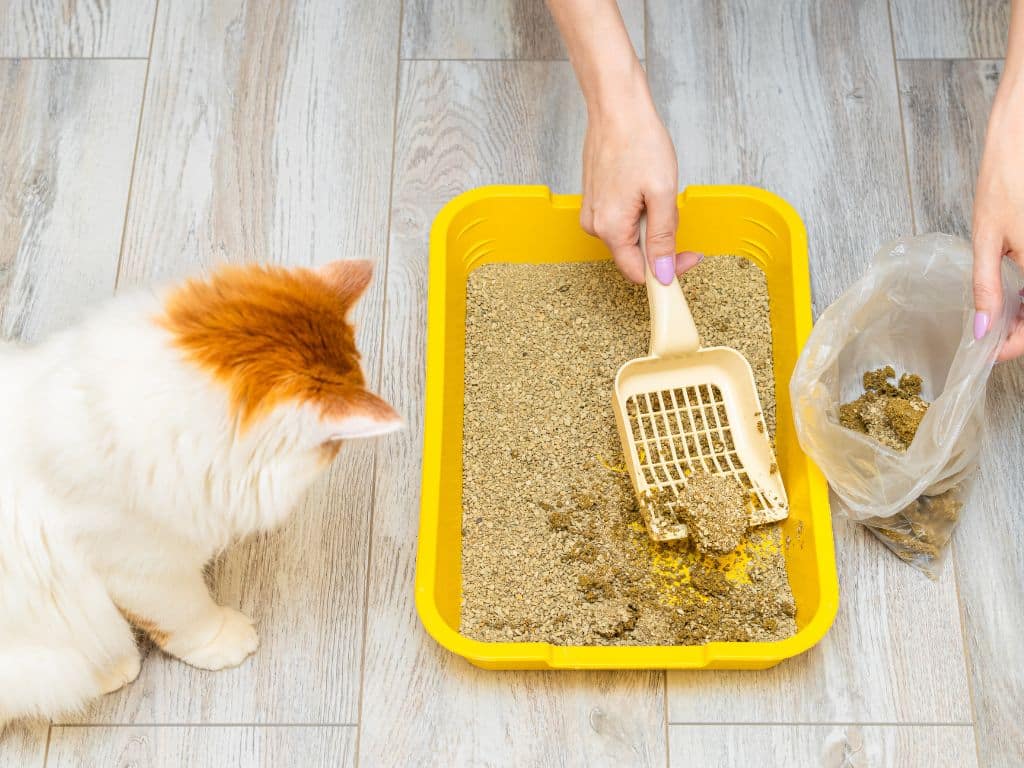
Cats may act like they own the house, but they also come with baggage—like toxoplasmosis and cat scratch disease. If you’re scooping litter, wash your hands. Pregnant? Skip the chore altogether. Outdoor cats? They’re walking disease factories.
Even their love nibbles can break the skin and lead to infections. Keep them inside if you can, and if they scratch you, clean the wound. No, cat spit is NOT a disinfectant.
Birds
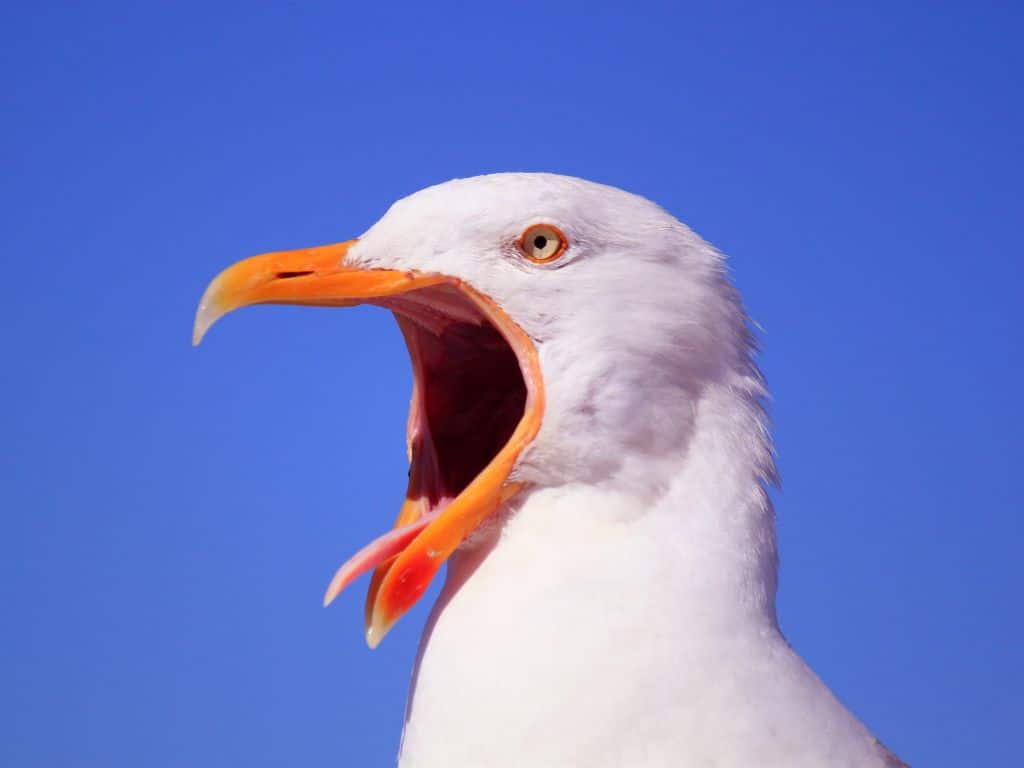
Bird flu isn’t just a headline—it’s real. Some birds also spread psittacosis, a bacterial infection that hits like a brutal flu. Pigeons? Their droppings can carry fungi that lead to lung infections.
Backyard poultry and pet birds are cool, but if they seem sick, handle them with caution. Avoid touching wild birds, and cook poultry fully—because undercooked chicken is a health risk on multiple levels.
Pigs

Swine flu, trichinosis, Nipah virus—pigs don’t mess around. They can pick up infections from other animals and pass them on. If you work around them, good hygiene is KEY.
Cooking pork to at least 145°F isn’t just a suggestion; it’s non-negotiable unless you want a parasite buffet. Backyard pig farming is trending, but if you’re going that route, know the risks and keep their living spaces sanitary.
Cows

Cows bring us burgers and milk, but they can also spread Q fever, E. coli, and bovine tuberculosis. Raw milk? Hard pass—pasteurization exists for a reason. If you’re visiting a farm or petting zoo, wash your hands afterward.
Also, watch out for water sources near cattle farms—E. coli outbreaks from contaminated water happen more often than you’d think. Cattle ranchers? Protective gear is your best friend.
Sheep and Goats
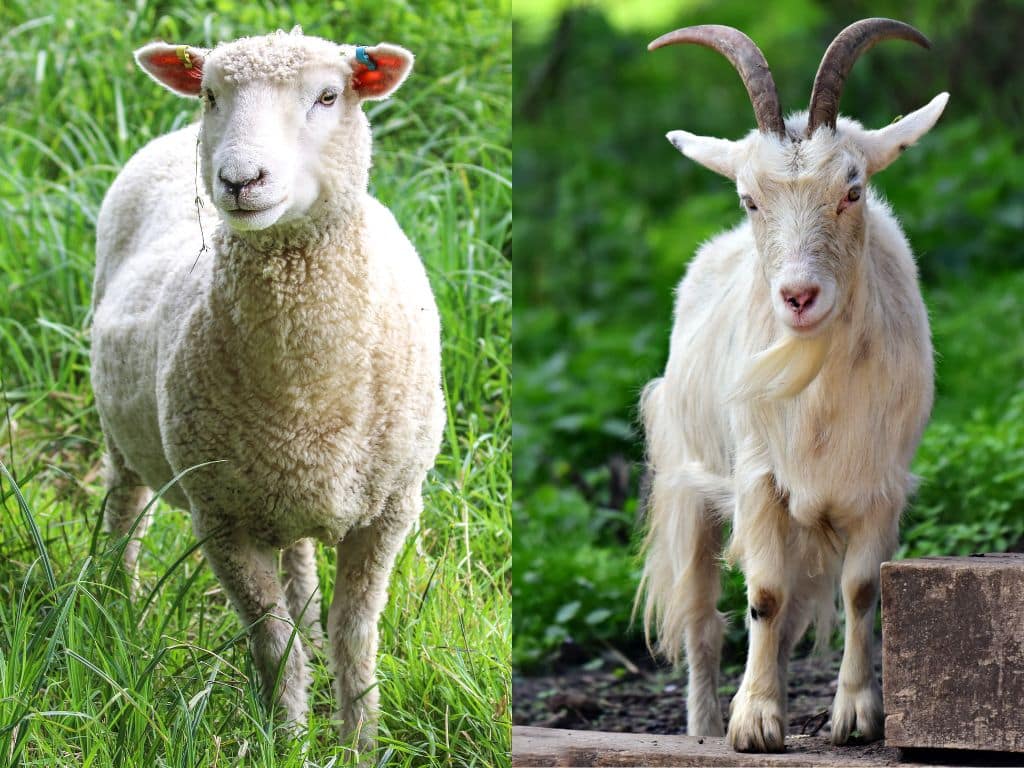
Sheep and goats are cute, but diseases like brucellosis and orf virus? Not so much. Their birthing fluids are a major risk for disease transmission, especially to people working with livestock. Even handling raw wool can expose you to harmful bacteria.
If you work with them, gloves and masks aren’t overkill—they’re necessary. Thinking about raw goat milk? It’s a gamble unless pasteurized. No one wants a stomach bug from that.
Raccoons

Raccoons look like tiny burglars, and honestly, they steal more than just trash. They carry rabies and raccoon roundworm—both of which can be fatal. Their feces contain parasites that can become airborne, which means even cleaning up after them is risky.
If you see one acting weird (stumbling, aggressive, or too friendly), call animal control. Double-bag your trash, or they’ll turn your yard into a buffet.
Deer

Deer don’t just ruin your garden—they also carry ticks loaded with Lyme disease. Just brushing against tall grass where they roam can be enough.
If you live in deer country, tick-proof your yard with gravel barriers and keep the grass short. Also, check yourself (and your pets) after being outdoors—those tiny ticks are sneaky. Light-colored clothing makes spotting them easier.
Monkeys

Monkeys might look adorable in viral videos, but they carry herpes B and other nasty viruses. People feeding them on vacation? BAD IDEA.
In some places, monkeys will straight-up snatch your food, scratch, or bite—bringing infection risk with them. Even monkey urine can spread disease. If you’re in a region with wild monkeys, keep your distance. No selfie is worth a trip to the ER.
Fish

Handling exotic fish? Some can give you fish tank granuloma, a stubborn bacterial infection. Eating certain reef fish? Ciguatera poisoning can mess with your nervous system.
Some people experience hallucinations and reversed temperature sensations—hot feels cold and vice versa. Stick to reputable seafood vendors and cook fish properly. Oh, and wear gloves when cleaning fish tanks—no one wants an infection from their pet goldfish.
Snails

Freshwater snails might not seem like a health threat, but they can carry parasites that cause schistosomiasis. It’s a major issue in tropical areas.
If you’re traveling and see a beautiful, calm lake, double-check before jumping in. The parasite burrows through the skin, meaning you won’t even see it happening. Wearing water shoes helps, but avoiding infested waters altogether is the safest bet.
