
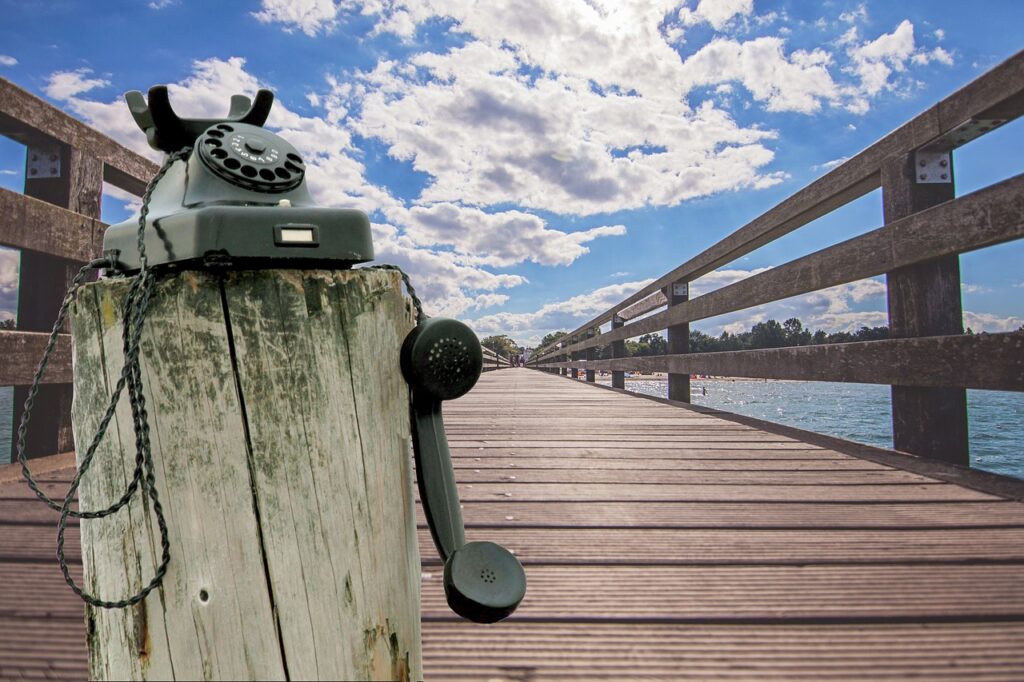
The 1980s represented a unique moment in American culture—a time when authenticity, personal connections, and simpler pleasures defined daily life. Before smartphones and social media dominated every interaction, people connected face-to-face, creating memories that now seem almost impossible to replicate. Looking back at these snapshots from the decade reveals what made those years so special.
Local Game Days
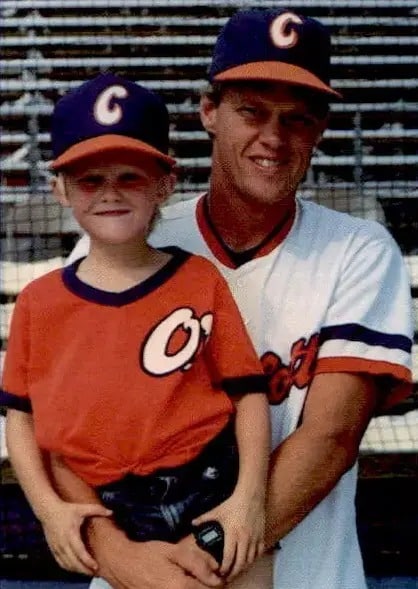
Local sports coverage felt personal and connected to communities. Announcers like John Flinn, broadcasting Charlotte O’s baseball games, knew players personally and told stories that went beyond statistics. Fans gathered around television sets or radios, experiencing games together. Sports broadcasting maintained regional flavors instead of homogenized national coverage, creating deeper connections between teams and their surrounding communities.
Camp Cake
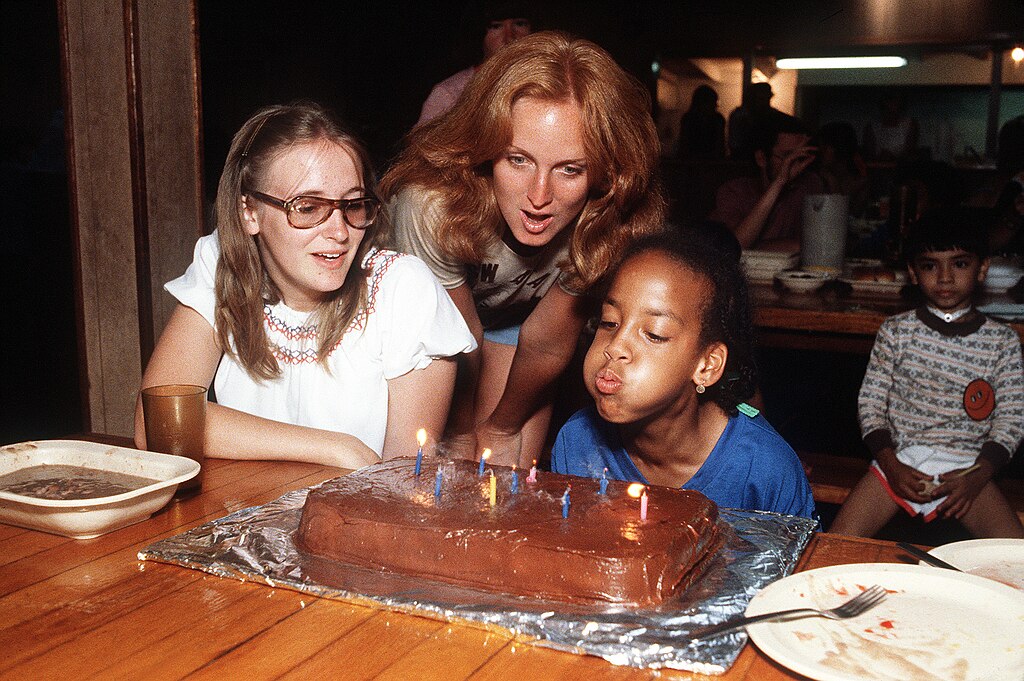
Summer camps provided formative experiences without digital distractions. At places like Camp La Junta, celebrating birthdays meant handmade signs, chocolate cake with thick frosting, and friends singing off-key. Nobody posed for perfect social media photos—kids simply enjoyed the moment. These camps taught independence, outdoor skills, and social navigation without parents hovering or smartphones interrupting the experience.
Pool Time
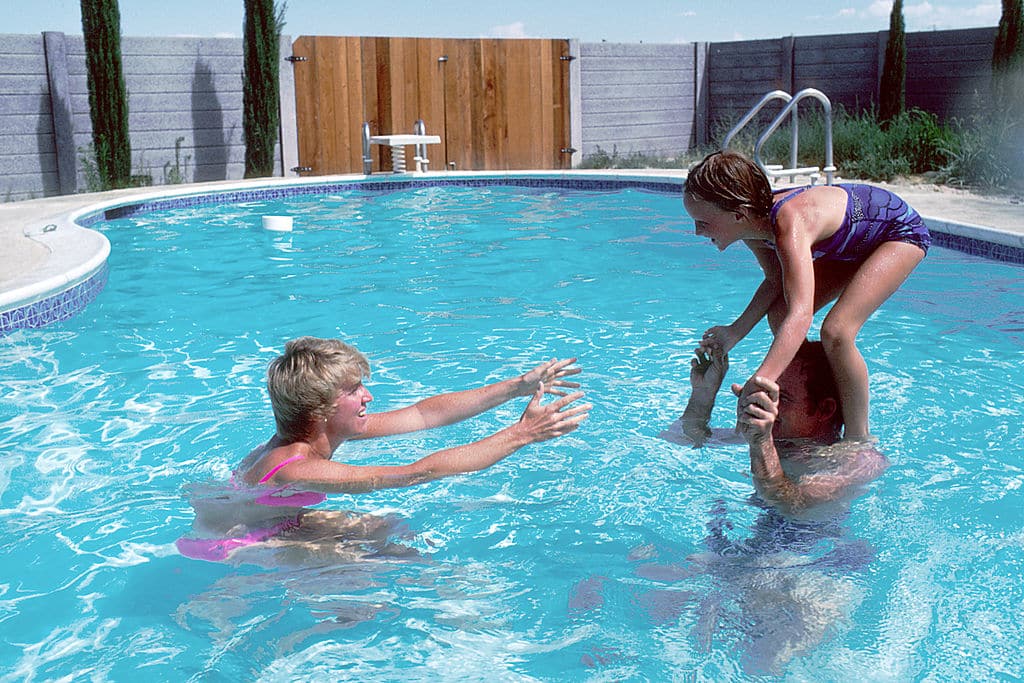
Swimming pools meant active family time rather than solo scrolling. Parents and children splashed together, playing Marco Polo or having cannonball contests without waterproof phones demanding attention. Pool gatherings created neighborhood communities where families connected naturally. Children learned to swim from parents and older siblings instead of in structured classes, turning basic life skills into bonding experiences.
Porch Chats
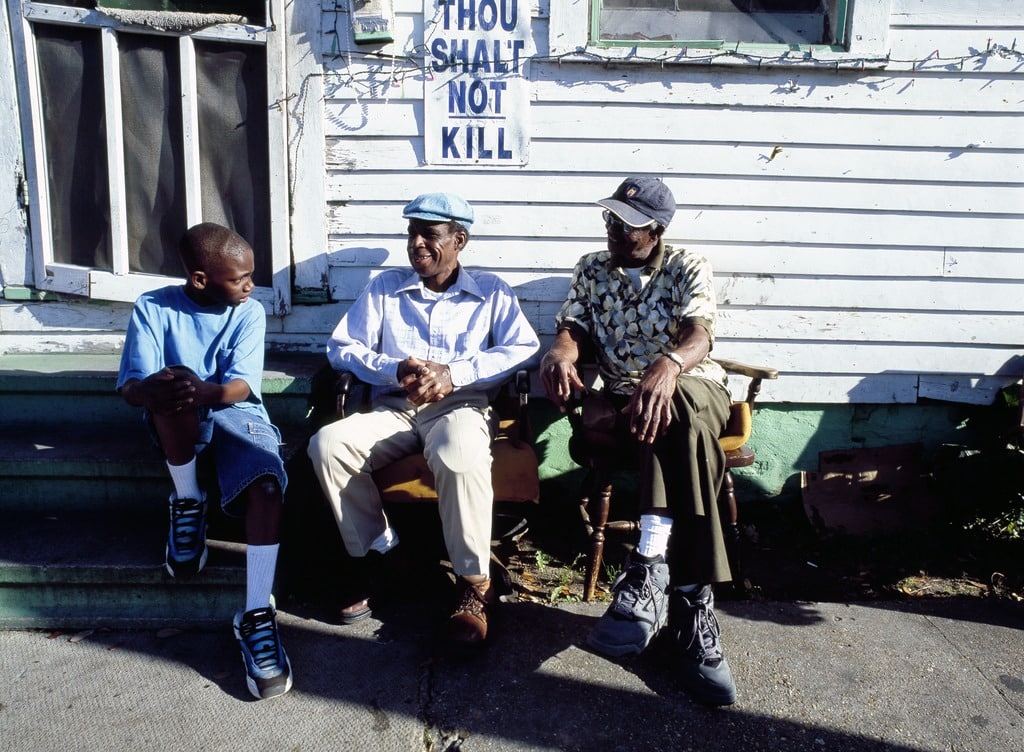
Front porches and yards served as social hubs for authentic conversation. Friends gathered spontaneously without needing to check schedules or send texts. Handmade signs and messages displayed creative expression before mass-produced decorations dominated. People paid attention to each other rather than dividing focus between conversation and screens. These casual hangouts built deeper friendships than today’s carefully planned and photographed social events.
DIY Halloween
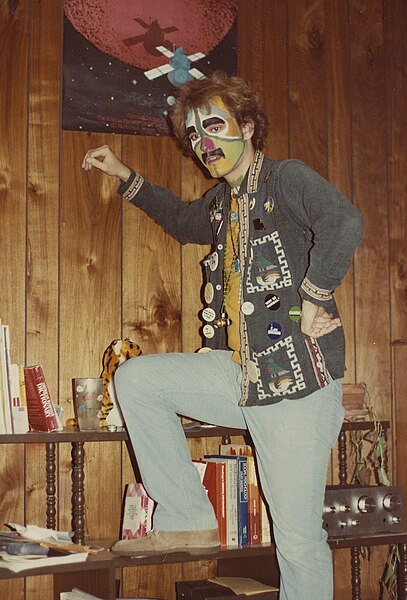
Halloween emphasized creativity over commercialism. Homemade costumes, like this peace-themed face painting, showed personal expression rather than store-bought character outfits. Parents worried about razor blades in apples, not tracking their children’s locations via smartphone. Decorations emerged from imagination and craft supplies rather than big-box store aisles of mass-produced items. The holiday maintained its slightly spooky, neighborhood-focused charm.
Live Gig
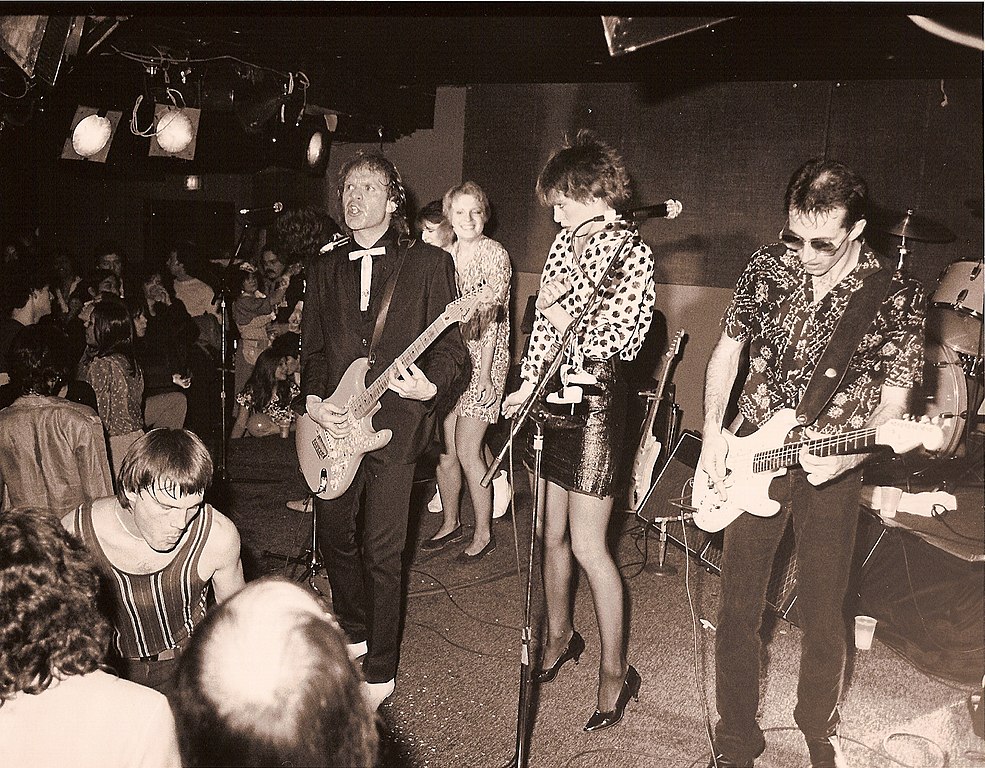
Live music thrived in small venues where audiences actually watched performances. Bands like Loose Lips, playing at Tuts, connected directly with fans without smartphone screens creating barriers. Music discovery happened through friends, college radio, and taking chances on unknown bands. Concerts meant experiencing music in the moment rather than documenting it for social validation, creating genuine shared experiences among strangers united by musical taste.
Palmetto Days
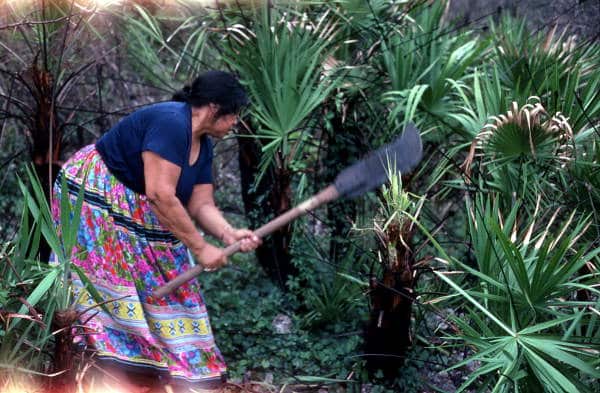
Traditional skills and nature connections remained common knowledge. People like Mary Billie maintained cultural practices such as gathering palmettos for practical purposes. Communities valued elders who preserved techniques passed through generations. Many Americans still maintained connections to natural resources, understanding seasonal changes and traditional uses of native plants. These knowledge systems kept people connected to their environments in ways increasingly rare today.
Club Nights
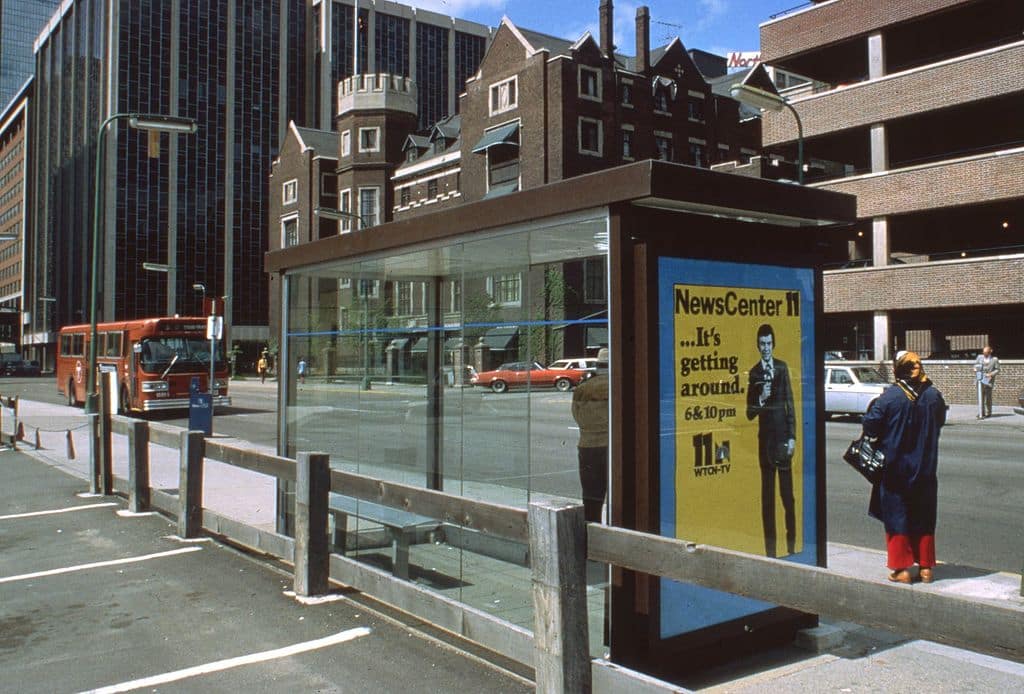
Nightlife centered around genuine social interaction without digital distractions. Venues like the Minneapolis Club offered spaces where people danced instead of taking selfies. Fashion expressed personality rather than following influencer trends. Meeting new people happened organically through conversation rather than through dating apps, creating connections based on genuine chemistry. Music filled rooms without competing with notification sounds, allowing complete immersion in the moment.
Heart-to-Heart
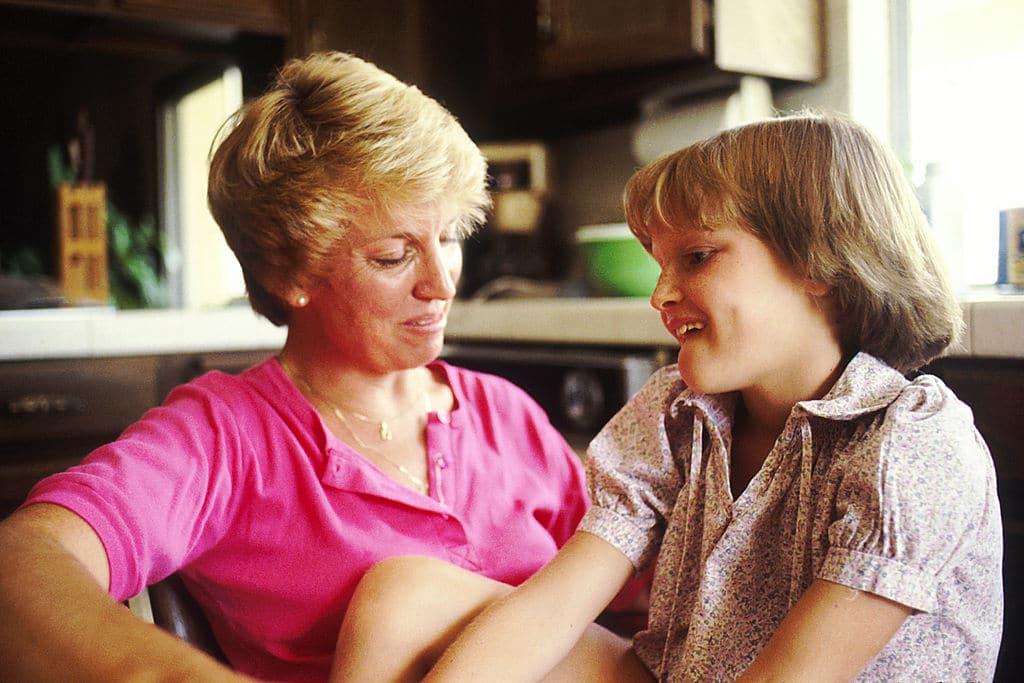
Conversations happened without screens competing for attention. Mothers and daughters shared important life lessons through direct conversation rather than text messages. Family discussions occurred around kitchen tables rather than through group chats. These undistracted connections allowed for nuance, emotion, and deeper understanding than today’s fragmented communication. Children learned interpersonal skills through direct conversation practice, not digital shortcuts.
Volcano Valor

Scientific dedication once meant risking everything for public safety. This image shows USGS volcanologist David Johnston at his monitoring station on Coldwater Ridge, just one day before Mount St. Helens’ catastrophic eruption. Armed with only basic equipment and geological training, Johnston remained at his dangerous post to track volcanic activity. His final radio transmission—”Vancouver! Vancouver! This is it!”—warned others before he was killed by the lateral blast on May 18, 1980. Modern remote sensing technology now allows scientists to monitor natural dangers from safer distances, but nothing replaces the human courage Johnston exemplified.
Street Jams
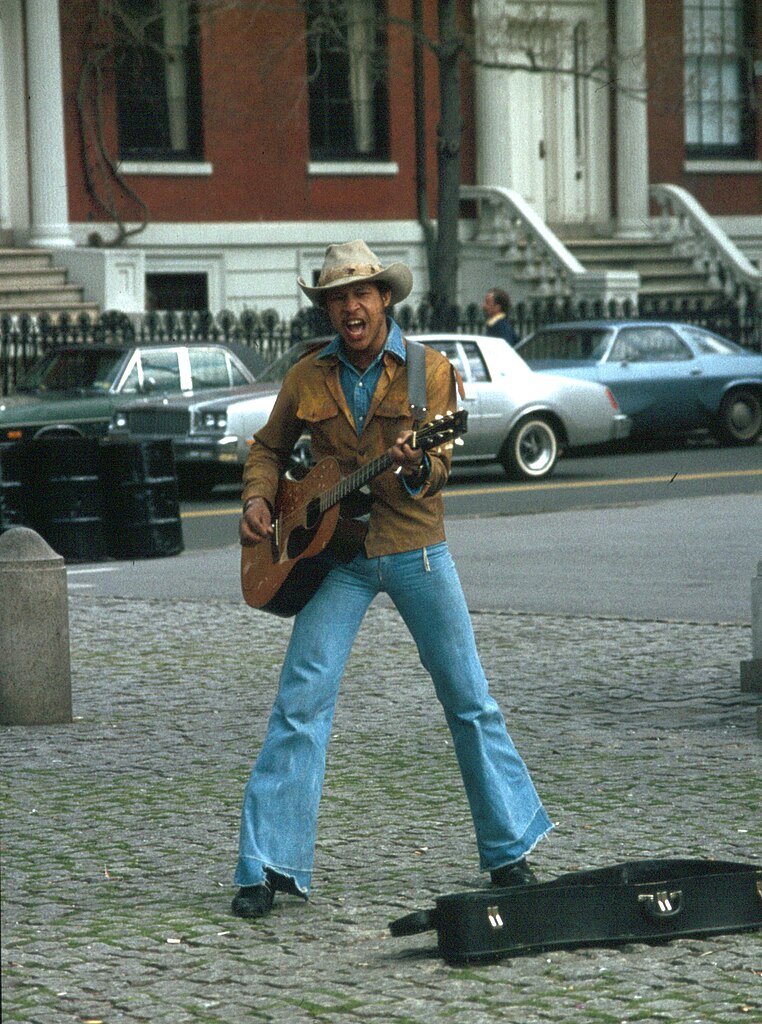
Public spaces fostered spontaneous creativity and connection. Guitar players in places like Washington Square Park created impromptu concerts for appreciative audiences. Street performers shared talents directly without needing social media validation. People gathered naturally around interesting moments happening in shared spaces. These unplanned cultural experiences made city living vibrant and unpredictable in ways that curated, posted experiences cannot match.
Picnic Bonds
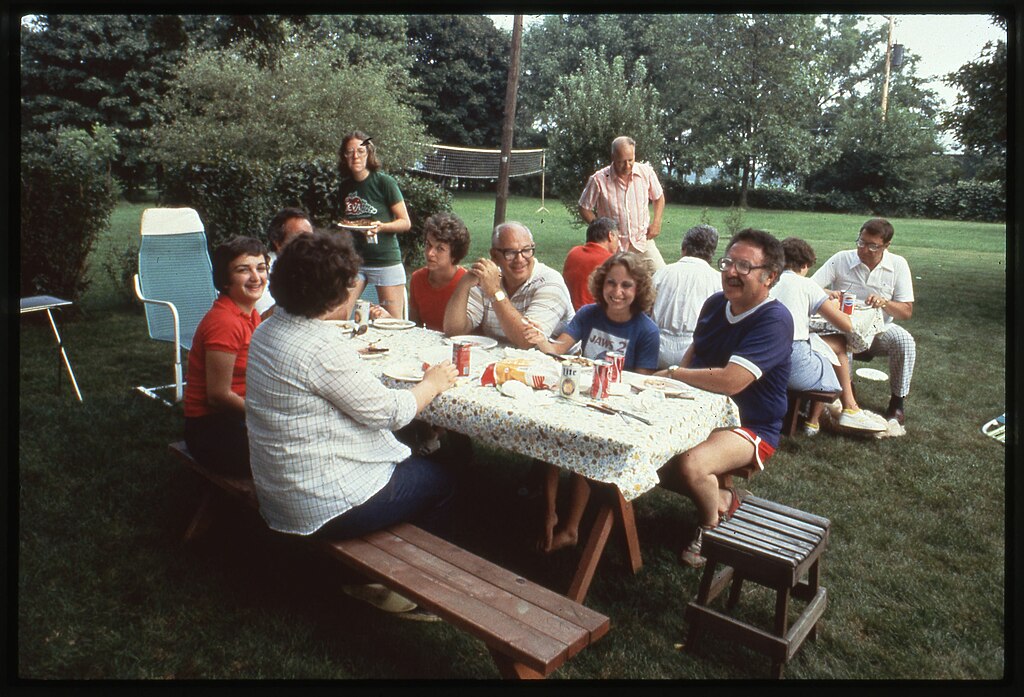
Meals prioritized conversation over documentation. Picnic tables filled with friends focused on each other rather than photographing food. Gatherings happened without the pressure of creating content for social platforms. Food served its primary purpose of nourishment and social bonding rather than aesthetic appreciation. These genuine connections over meals built community without the distraction of capturing perfect images.
Cinema Craft
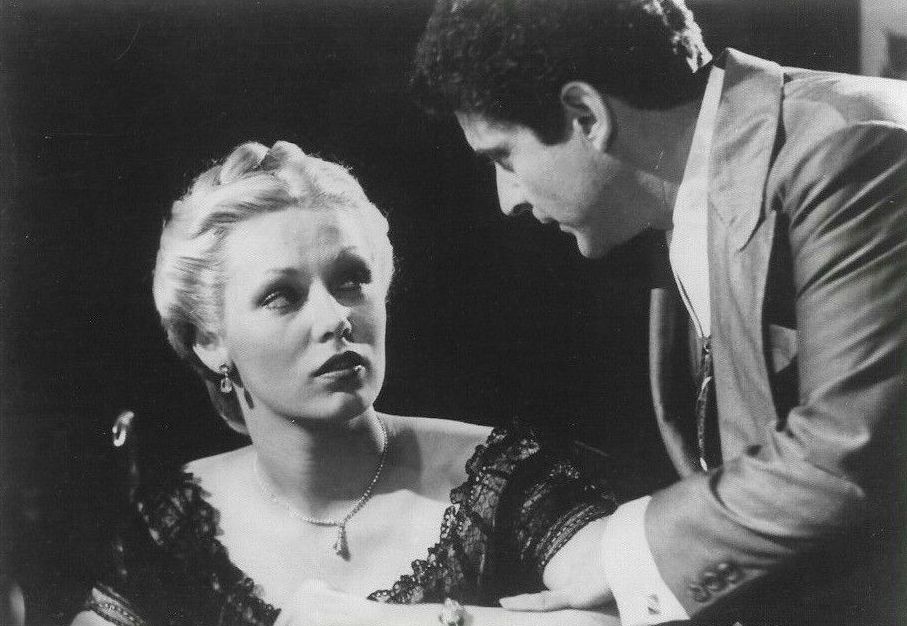
Film production maintained craftsmanship and genuine performance. Actors like Cathy Moriarty and Joe Pesci created authentic characters through skill rather than digital enhancement. Movies like Raging Bull prioritized storytelling over special effects spectacle. The limitations of practical effects pushed creative problem-solving. Audiences appreciated films for their artistic merit rather than franchise connections, allowing more varied and adult-oriented stories to succeed commercially.
Punk Rebellion
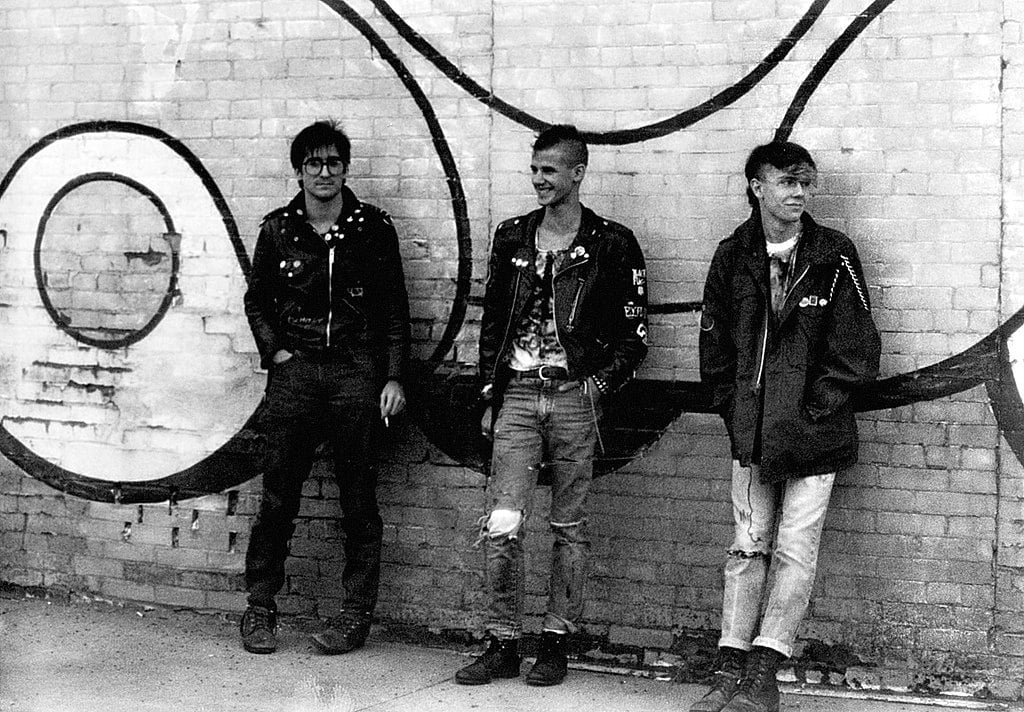
Youth subcultures demonstrated genuine rebellion rather than commercialized edge. Punk kids sitting on walls represented authentic counterculture, not fashion statements for social media. Young people defined themselves through music, philosophy, and community rather than curated online personas. Rebellion meant actually breaking social norms, not just aesthetic choices. These movements created lasting cultural impact because they emerged organically from genuine dissatisfaction with society.
Chicken Dinner
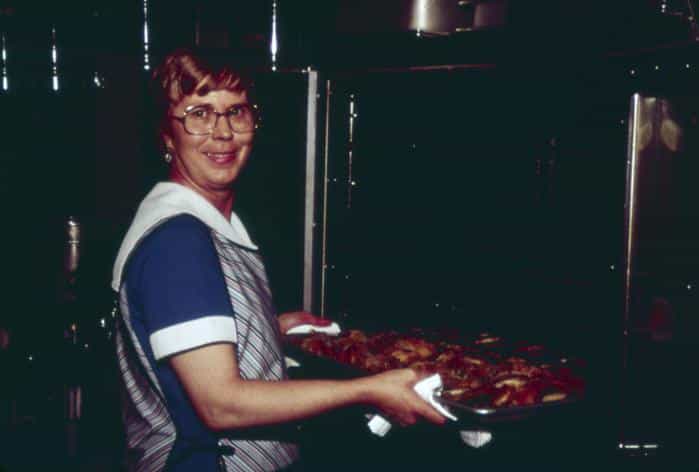
Travel emphasized experiences over Instagram opportunities. Tour companies like Skagit offered simple pleasures such as chicken dinners that satisfied without needing documentation. Travelers collected memories rather than content for followers. Family vacations focused on togetherness rather than creating enviable online narratives. These simpler travel experiences often created more lasting family memories than today’s more elaborate but distracted journeys.
Retro Rock

Musicians expressed originality without algorithm-friendly conformity. Bands like The B-52’s developed distinctive visual and musical styles based on artistic vision rather than streaming metrics. Album publicity photos showed personality rather than market-tested images. The music industry supported more diverse sounds before analytics narrowed commercial appeal. These artists influenced culture through creativity rather than social media presence.
Hometown Harmonies
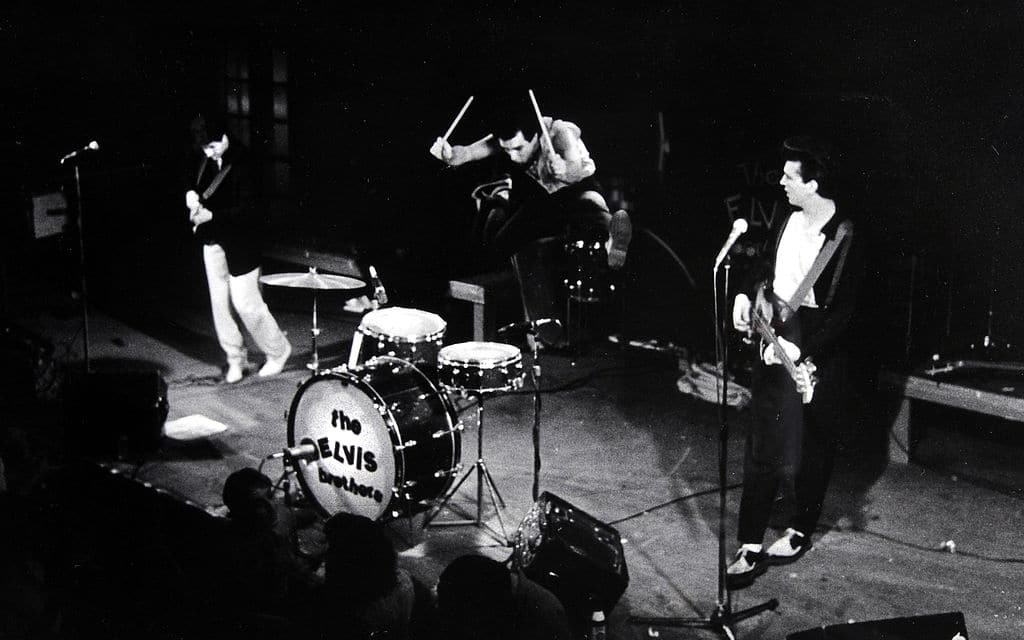
Local music scenes thrived in every American city and college town. Bands like The Elvis Brothers at Mabel’s in Champaign created vibrant regional cultures. Music lovers discovered new artists through local venues and college radio rather than streaming suggestions. Communities supported hometown musicians directly. These scenes developed distinctive regional sounds and styles, creating musical diversity that national homogenization has diminished.
Campus Pong
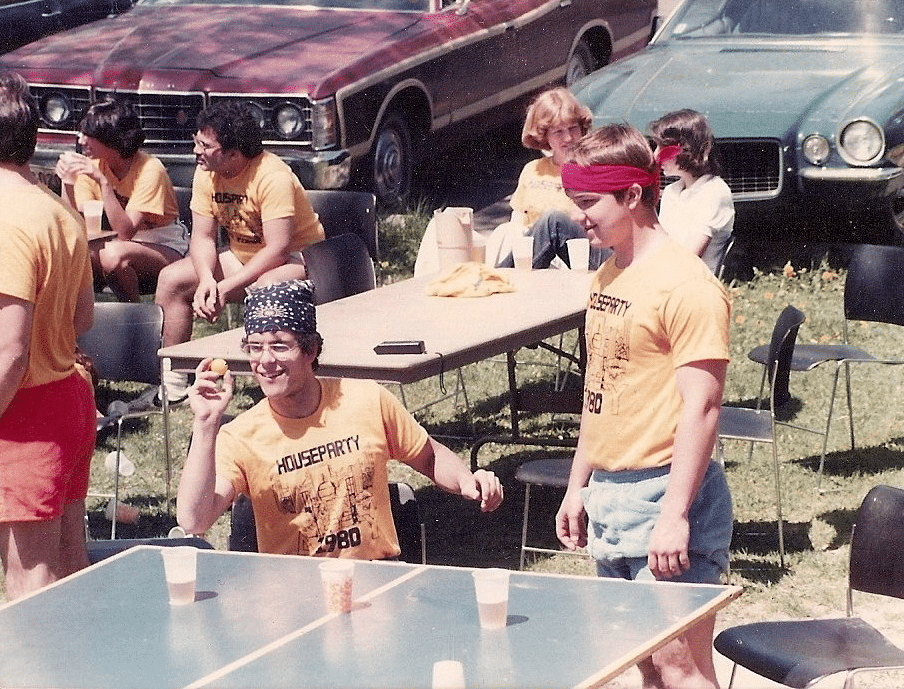
College life balanced academics with genuine recreation. Games like Throw Pong at Bucknell University created social bonds through friendly competition. Campus activities happened organically without needing documentation for social validation. Universities fostered community through shared experiences rather than branded marketing opportunities. These simple recreational activities often created stronger friendships than carefully staged social events common today.
Local Theatre
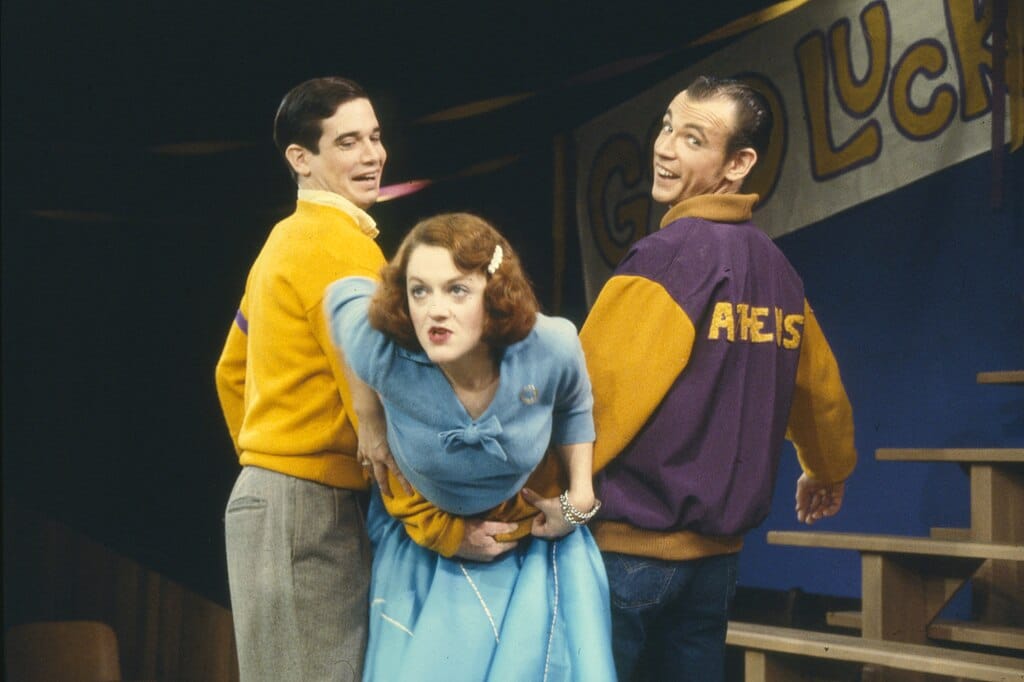
Local arts thrived before entertainment consolidation. Community theater productions in places like Seattle provided cultural experiences without streaming competition. Audiences engaged fully with performances without recording devices. Amateur actors pursued their passion regardless of professional prospects. These local productions connected communities to live arts, creating shared cultural references and supporting creative expression regardless of commercial potential.
Homecoming Spirit
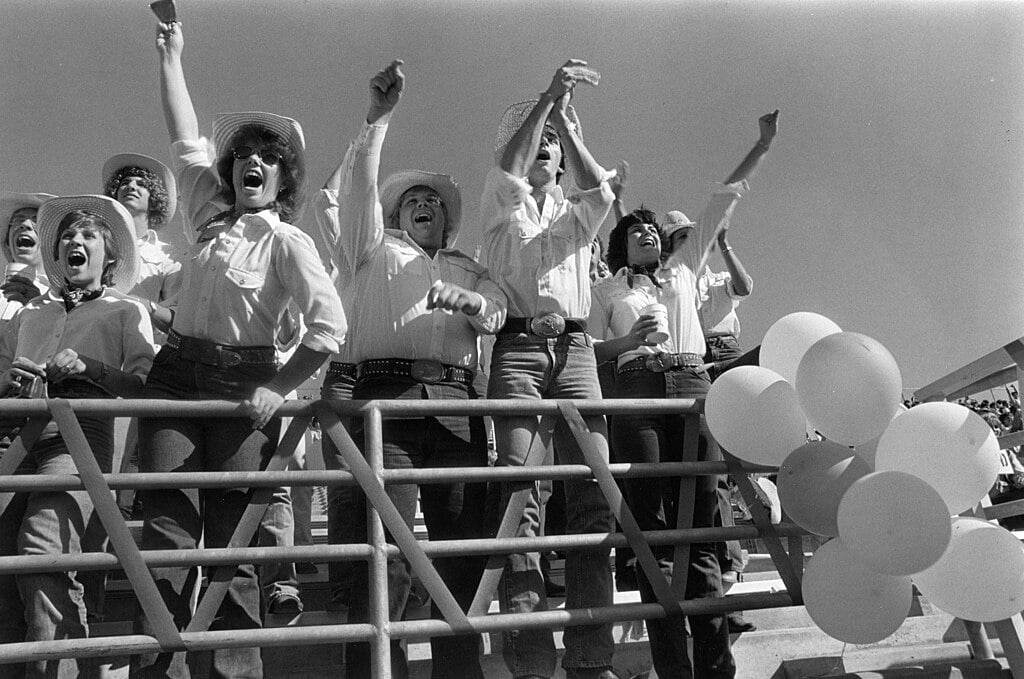
College traditions brought entire campus communities together. Homecoming at UT Arlington meant floats, football, and school spirit across diverse student groups. University events created common experiences that built institutional identity. Students participated in traditions that connected them to previous generations. These shared celebrations fostered belonging in ways that today’s more individually focused college experiences often miss.
Historic Discovery
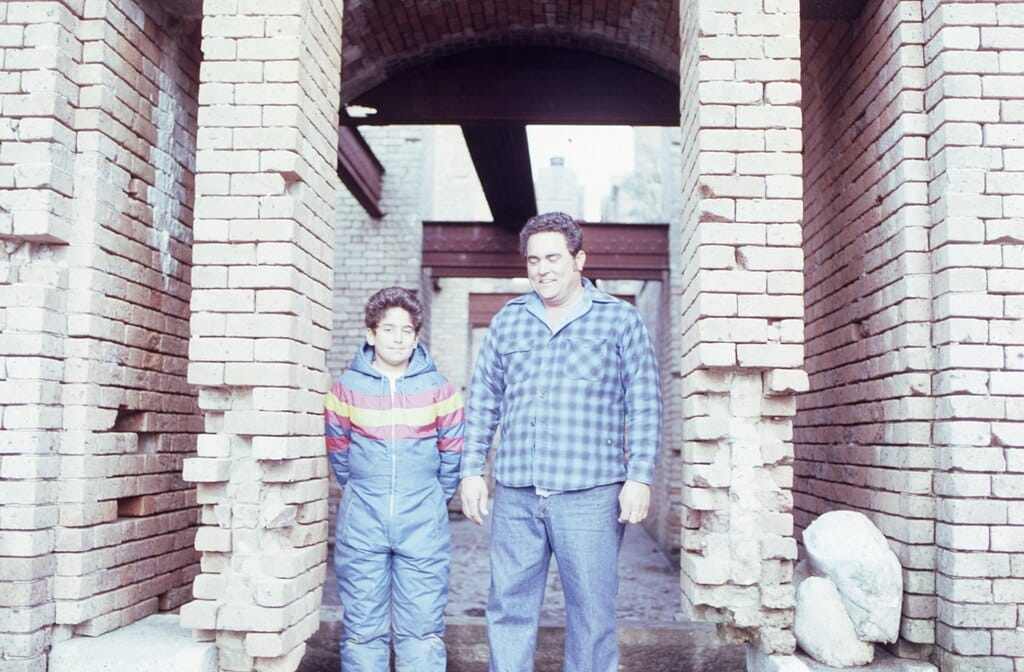
Historic site exploration happened without online previews and reviews. Visitors to places like Fort Proctor, Louisiana discovered history through direct experience rather than TripAdvisor research. Families learned together through interpretive signs and park rangers instead of smartphone searches. Travel maintained elements of discovery and surprise. These less mediated experiences often created stronger memories and a deeper appreciation for historical significance.
Youth Circus
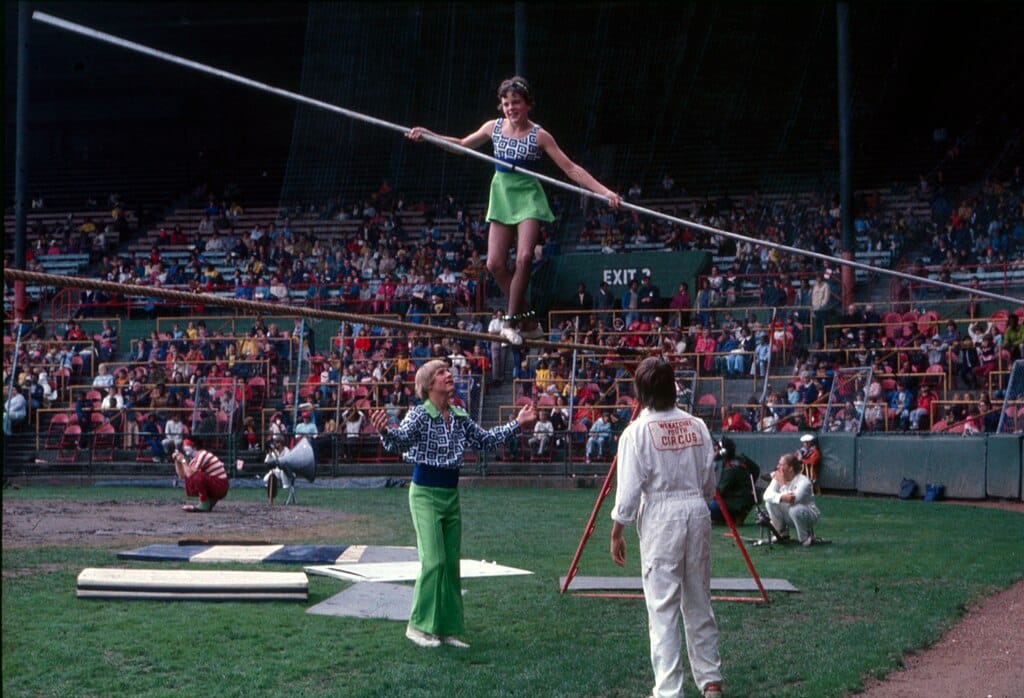
Community programs gave children skills beyond academic credentials. The Wenatchee Youth Circus taught young people teamwork, physical abilities, and performance confidence. Children developed talents through consistent practice rather than viral-worthy shortcuts. Local programs created pride across entire communities. These organizations built character alongside specific skills, offering development opportunities regardless of family resources.
Rainy Resilience
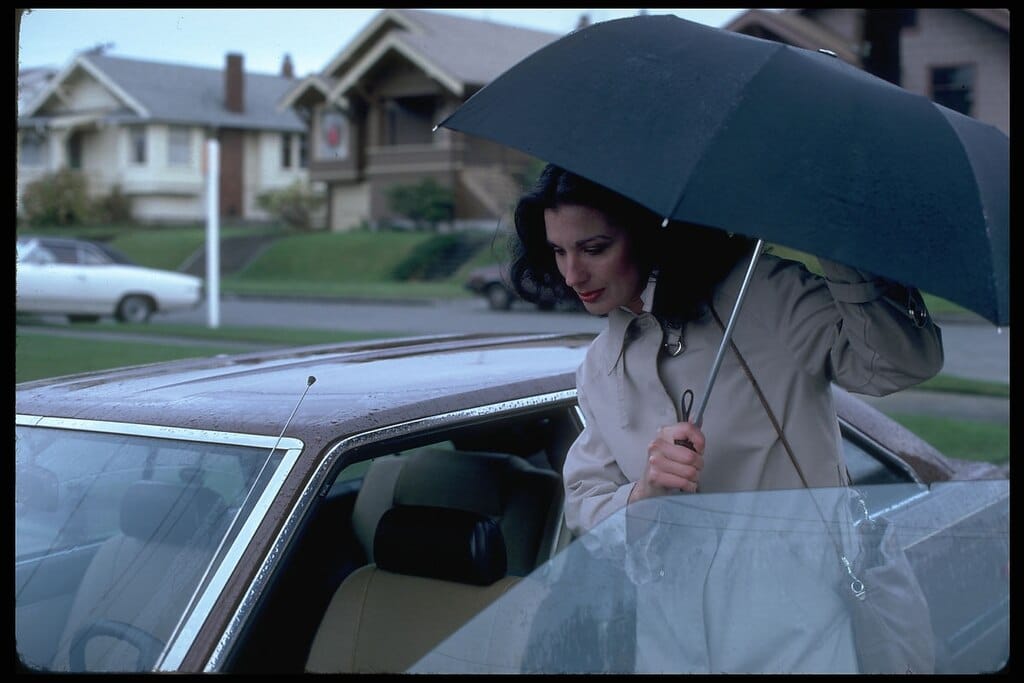
People experienced weather without constant forecasts and complaints. Seattle residents, like this umbrella-carrying woman, simply adapted to rain rather than checking minute-by-minute precipitation apps. Weather represented a shared experience that connected strangers through mutual accommodation. Conversations started naturally around current conditions rather than through screens. These everyday weather adaptations created resilience and community bonds.
Community Sports
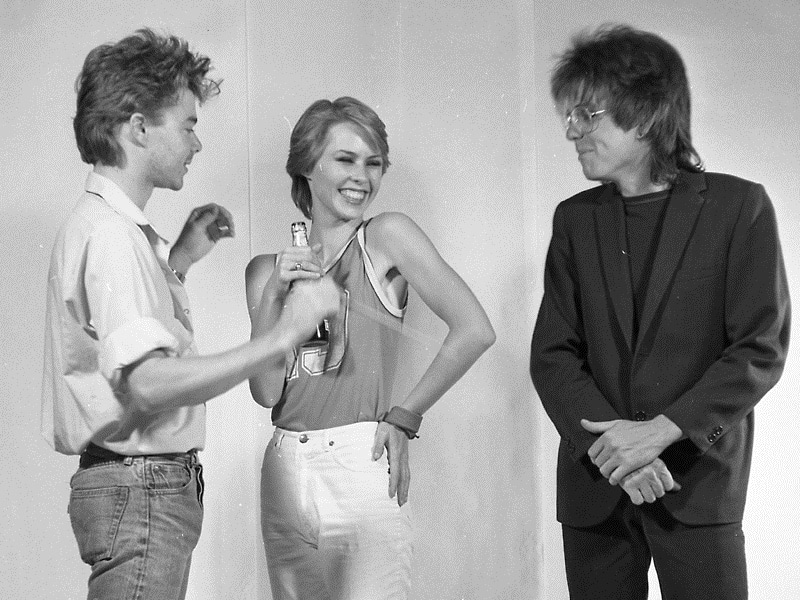
Community sports brought neighborhoods together regardless of skill level. Teams like the Davis X-Men created social connections across diverse community members. Children played for fun and development rather than for college scholarships or social media highlights. Parents supported without micromanaging every aspect of games and practices. These sporting experiences taught teamwork, fair play, and graceful losing without excessive competition and specialization.
Handmade Crafts
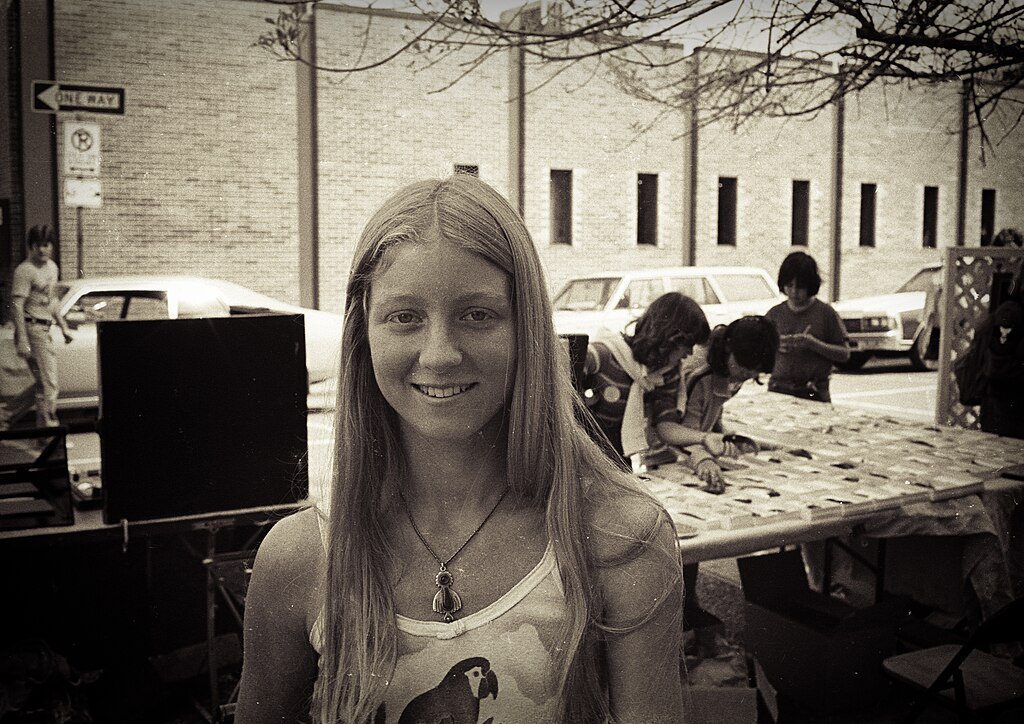
Handmade goods held value before mass production dominated. Craft fairs in places like Austin showcased unique items made with personal care and skill. Artisans connected directly with customers who appreciated their work. People valued quality and originality over brand names and bargain prices. These personal exchanges between makers and buyers created meaningful connections that mass market consumption rarely provides.


