
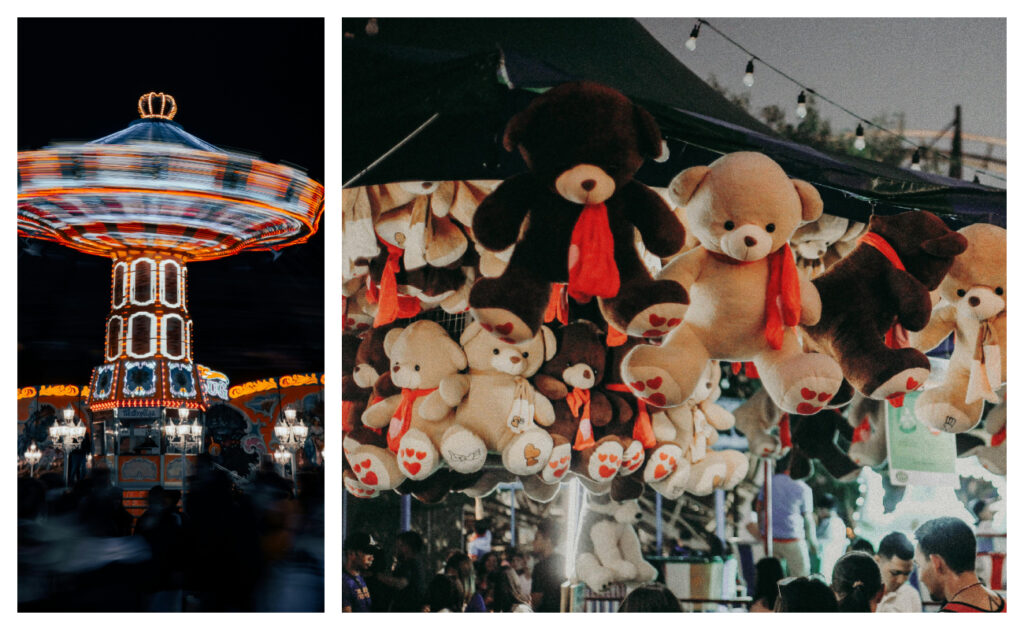
County fairs have influenced the American way of life for many years. These yearly events unite towns from coast to coast to highlight regional crafts, fried dishes on sticks, carnival rides, and agriculture. Every fair shares cherished customs that bind Americans to their rural heritage while showcasing the distinctive character of their area.
Arlington County Fair
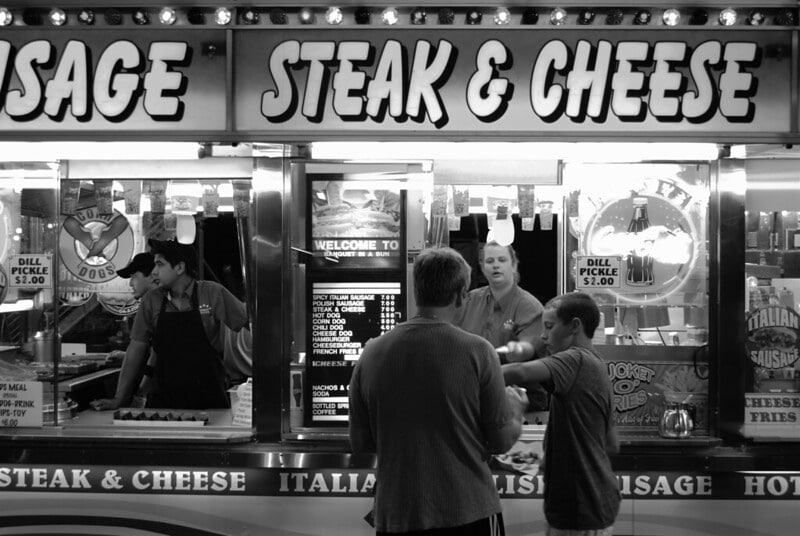
Arlington’s urban fair brings DC-area folks together each August for carnival fun. The famous food stands selling steak and cheese sandwiches draw long lines of hungry visitors. Bright neon lights illuminate workers grilling onions and slicing meat for massive sandwiches. Locals return yearly for these special treats, creating memories unique to summertime in Northern Virginia.
Dutchess County Fair
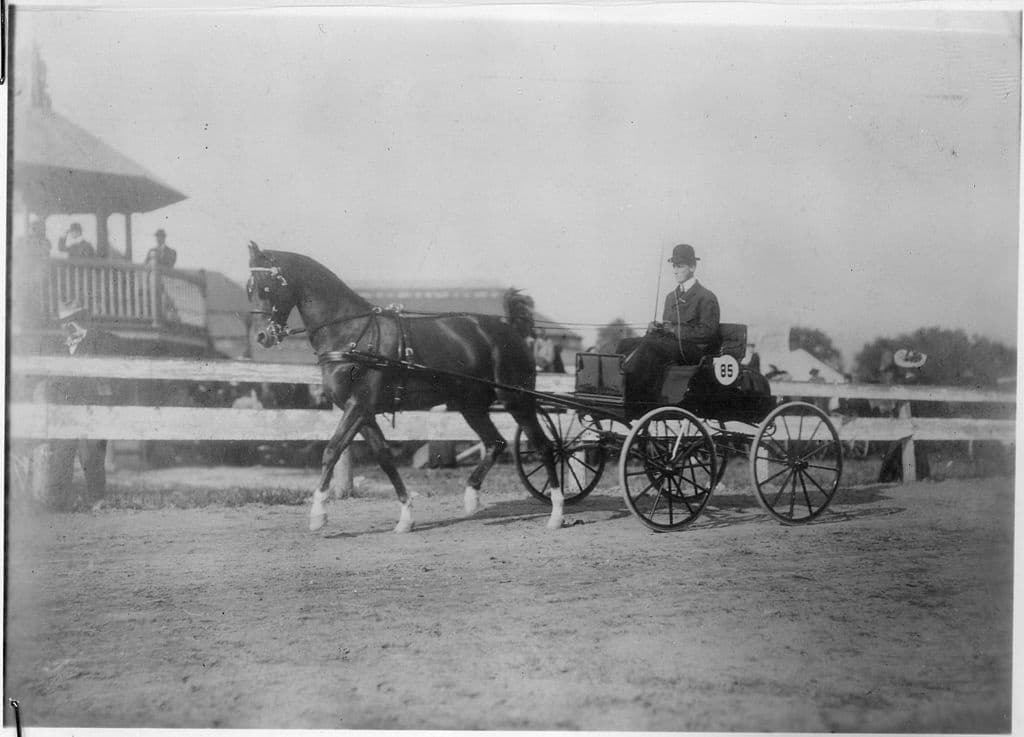
This Hudson Valley custom has united the rural and urban populations of New York since 1842. Modern midway attractions coexist with century-old barns containing champion cattle at New York State’s second-largest county fair. Heirloom vegetable contests, horse exhibitions, and displays of traditional farm techniques are some of its many agricultural-focused events that help visitors understand the area’s agricultural history.
Albemarle County Fair
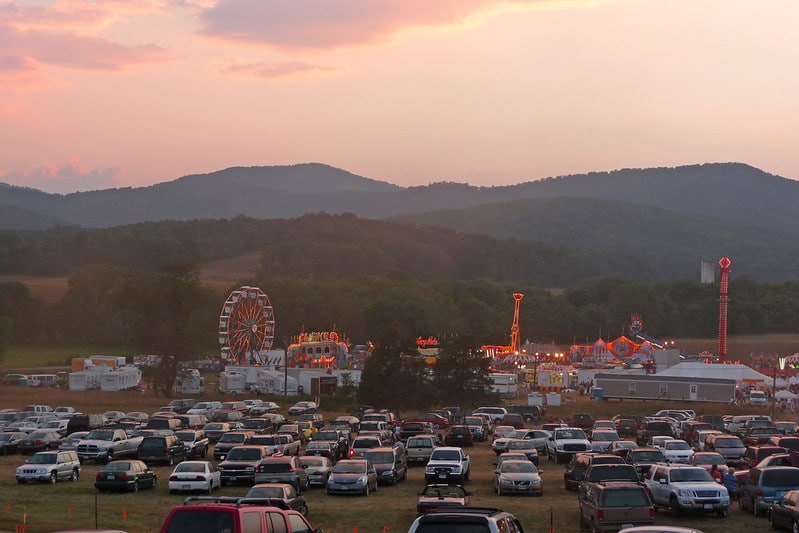
The agricultural customs of Thomas Jefferson’s native region are showcased at this fair in the Virginia hills close to Charlottesville. While home bakers compete using family pie recipes that have been passed down through the decades, local farmers display highly valued cow breeds. The rolling Piedmont farmland that surrounds the fair provides a charming setting for horseback races and vintage tractor exhibits honoring Virginia’s long history of farming.
Yorktown Grange Fair

New York’s oldest continuous agricultural fair has stayed true to its farming roots since 1886. Unlike many modernized events, this Westchester County tradition maintains its agricultural soul with youth-led livestock exhibitions, vegetable growing competitions, and farm equipment displays. The fair creates a bridge between suburban residents and the area’s vanishing but vital agricultural community.
Howard County Fair
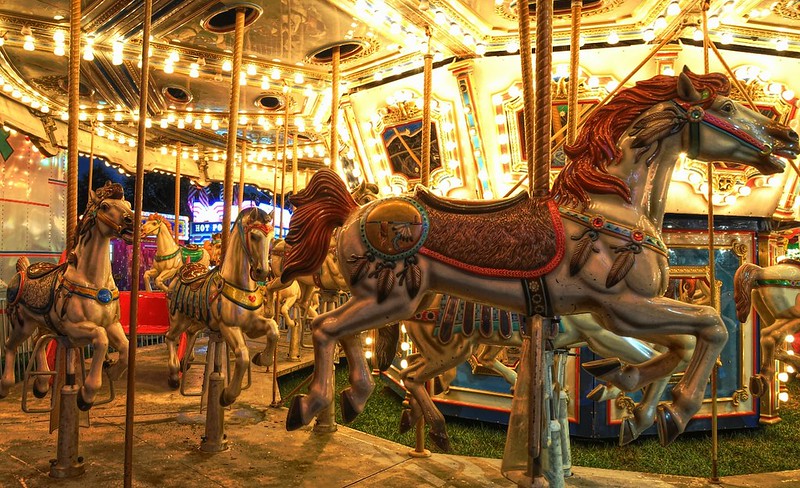
Located between Baltimore and Washington DC, this Maryland fair balances urban proximity with rural traditions. 4-H youth competitions remain the heart of the event, with children from suburban neighborhoods raising animals alongside those from the county’s remaining farms. The fair serves as a vital educational link, teaching city-dwelling visitors about agriculture’s continued importance in their daily lives.
Erie County Fair
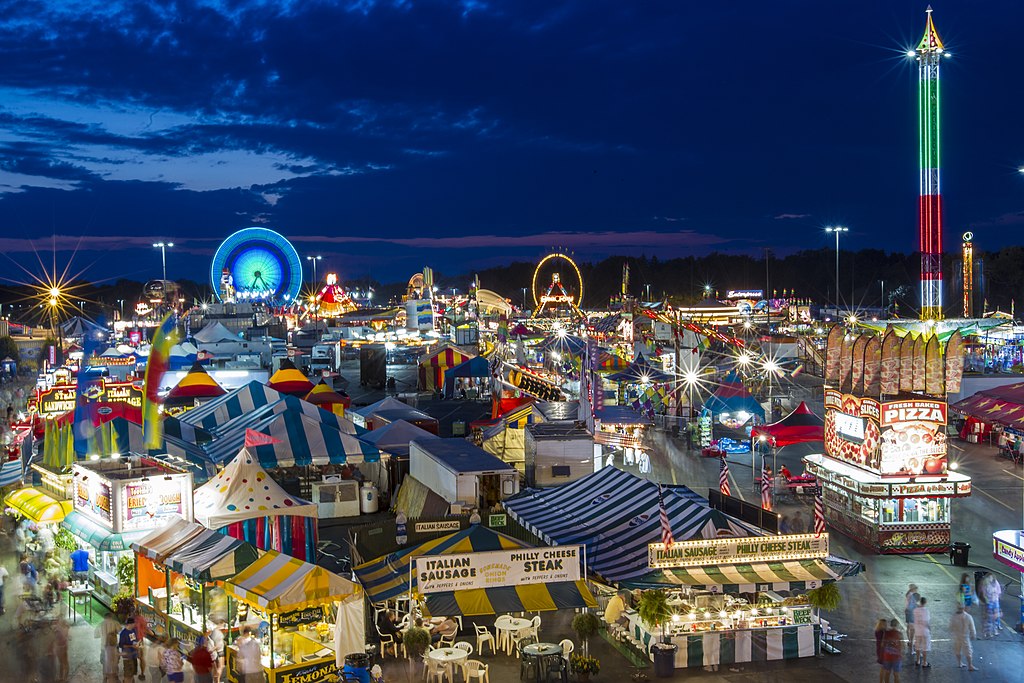
Near Buffalo, New York, one of America’s largest and oldest county fairs draws over a million visitors annually. Dating to 1820, the fair combines massive midway attractions with extensive agricultural exhibitions. Its famous butter sculpture, created fresh each year, has become an iconic tradition, while the historic fair museum documents generations of blue ribbon winners and midway memories.
Butler County Fair
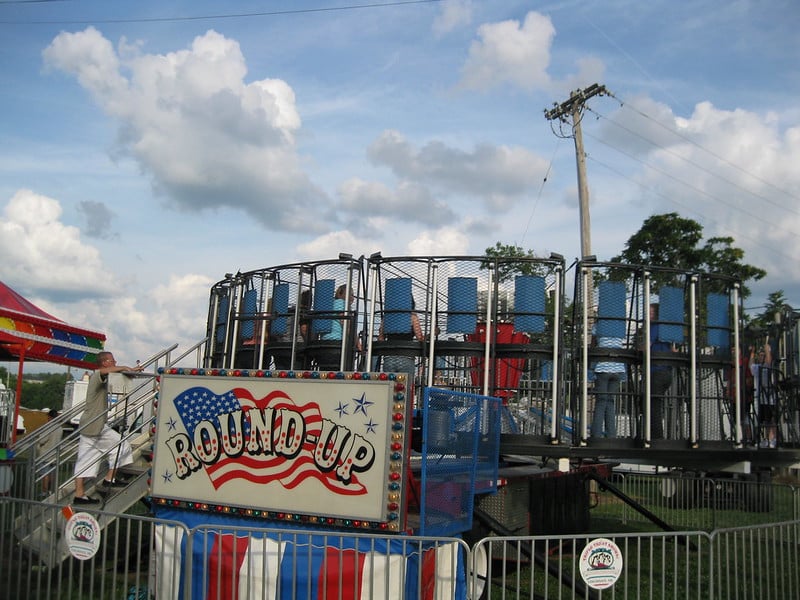
This Ohio tradition embodies classic Midwestern fair culture, where farm families display generations of agricultural knowledge. The demolition derby draws cheering crowds, while children’s decorated chicken coop competitions showcase rural creativity. Evening harness racing continues a tradition dating to the 19th century when county fairs were primarily agricultural marketplaces where farmers compared livestock and racing stock.
Cleveland County Fair
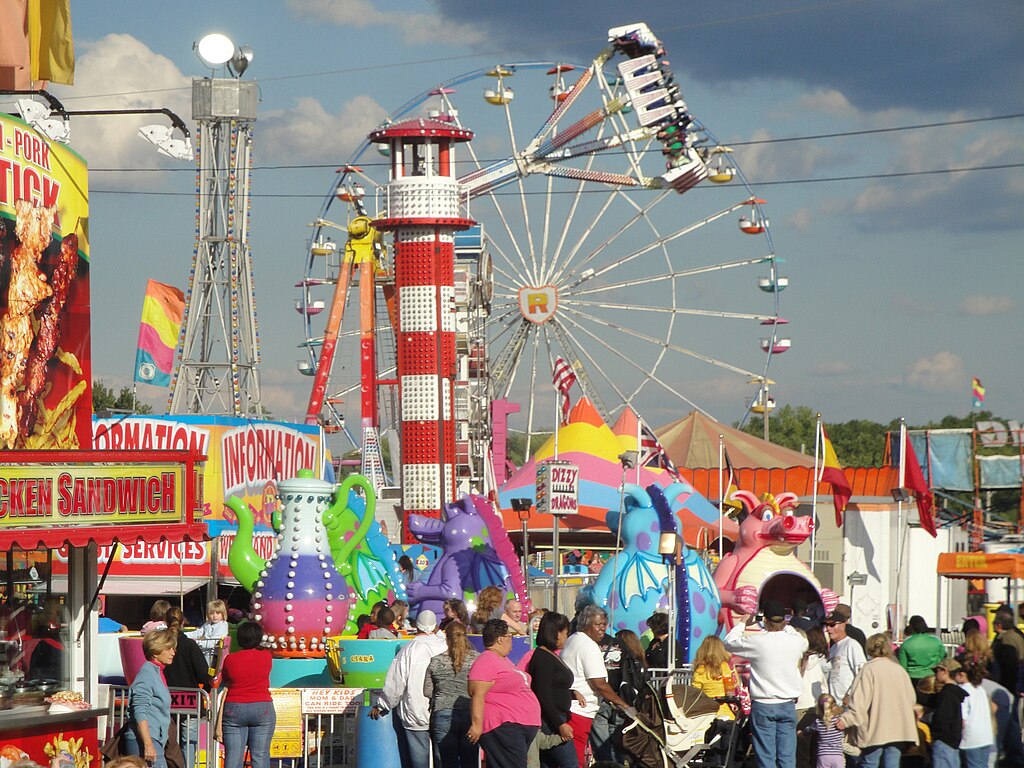
In the heart of Oklahoma, this fair celebrates both agricultural traditions and Native American heritage. Rodeo competitions highlight working cowboy skills while tribal exhibitions feature traditional crafts and foods. The unique combination of Western, Native, and agricultural elements creates a fair experience that tells the complete story of Oklahoma’s cultural foundations and continuing rural traditions.
Crawford County Fair
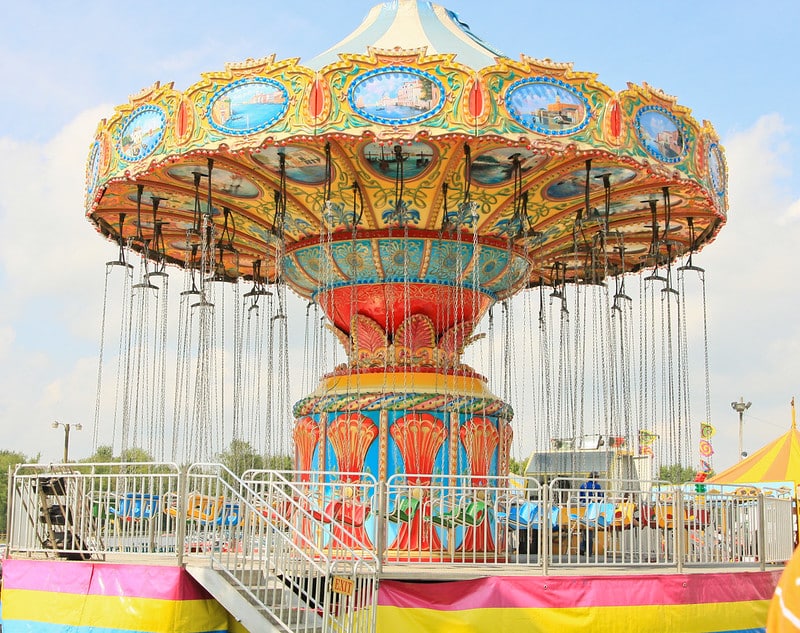
This Pennsylvania fair maintains strong Amish and Mennonite participation, offering visitors glimpses of traditional farming methods alongside modern agricultural displays. Draft horse pulling competitions showcase powerful Belgian and Percheron teams. The fair’s simple pleasures—homemade root beer, quilt competitions, and pie judging—reflect the community’s values and connection to agricultural traditions that span generations.
Cuyahoga County Fair
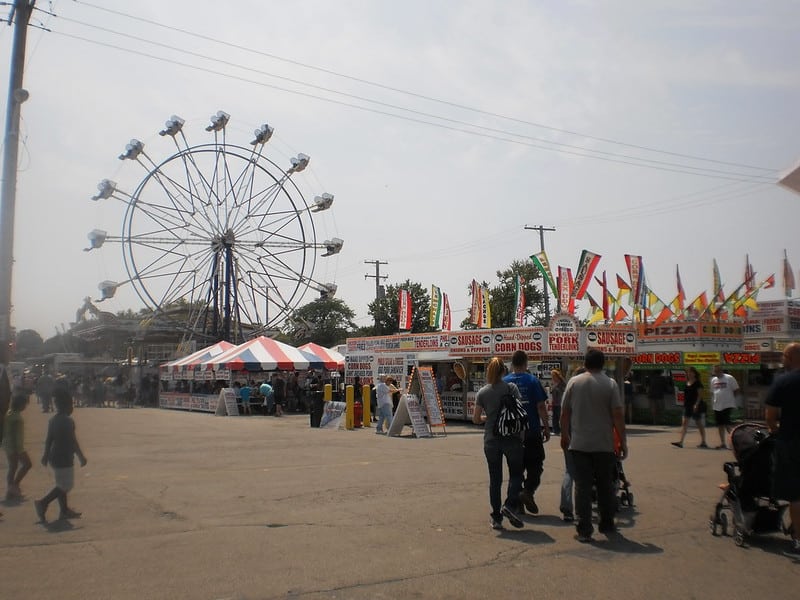
Just outside Cleveland, this fair bridges urban and rural experiences for visitors from Ohio’s most populous county. Traditional livestock exhibitions stand alongside urban gardening displays, while ethnic food stands reflect the area’s diverse communities. Evening demolition derbies and tractor pulls draw crowds of city dwellers experiencing rural entertainment traditions that remain surprisingly popular despite urban development.
DuPage County Fair
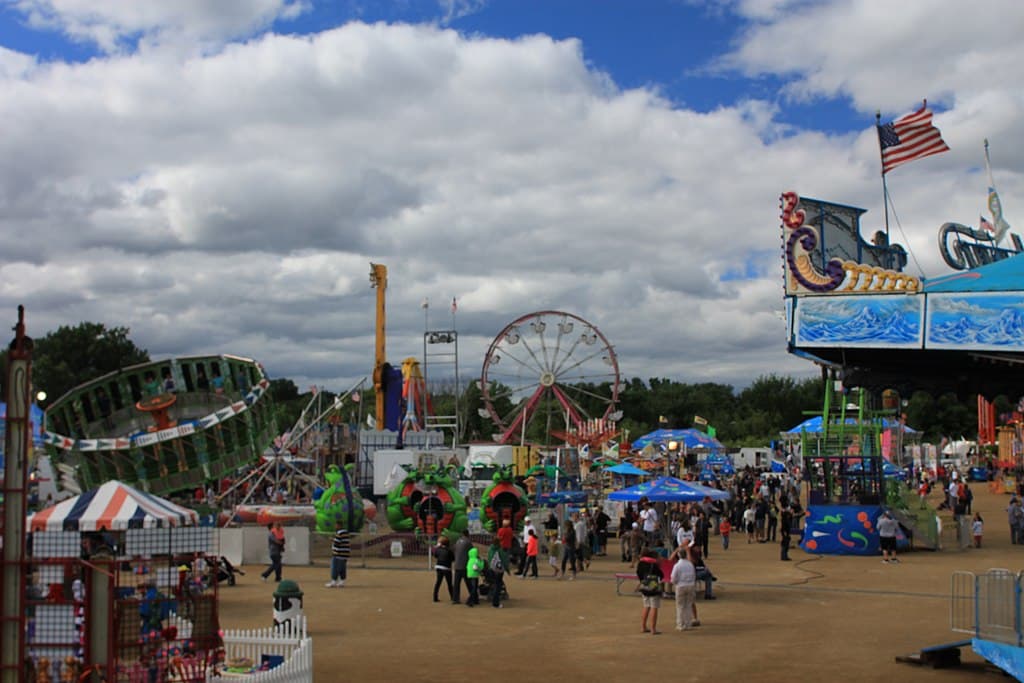
In Chicago’s suburban shadow, this Illinois fair maintains agricultural education in a largely developed county. Interactive “farm-to-fork” exhibits teach visitors where their food comes from, while urban gardening displays show how agricultural traditions can continue even in metropolitan areas. The fair serves as a community gathering point where suburban residents connect with rural traditions their grandparents may have experienced firsthand.
Garfield County Fair
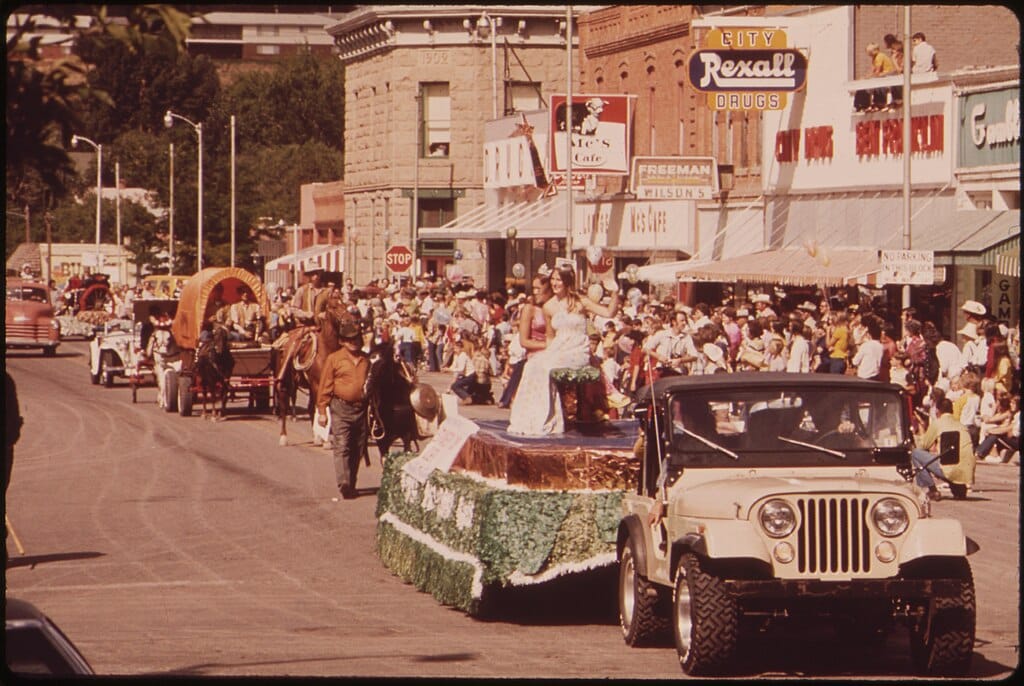
In the Colorado high country, this fair reflects Western ranching heritage with rodeo competitions, sheep dog trials, and working cattle demonstrations. The setting among mountain vistas adds dramatic backdrop to traditional fair activities. Evening country music concerts bring communities together under starlit skies, while daytime agricultural exhibitions highlight the unique challenges of high-elevation farming and ranching.
Hubbard County Fair
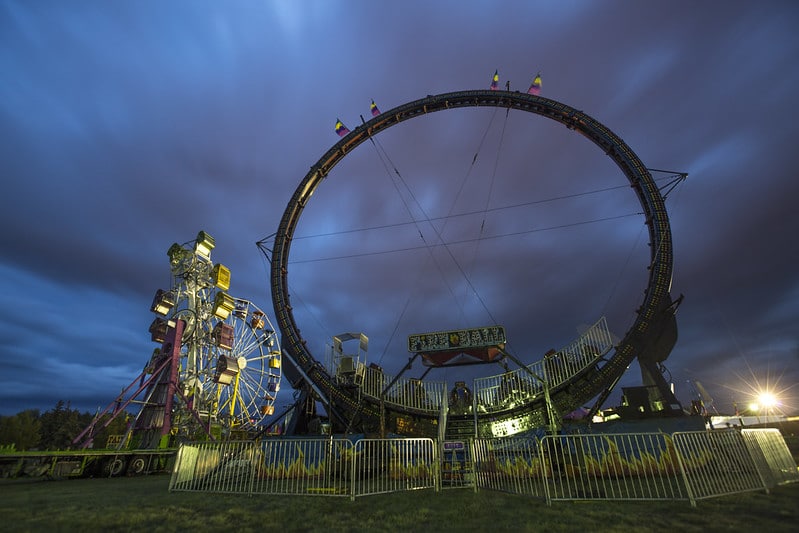
Deep in Minnesota’s northern woods, this fair showcases the region’s unique blend of agriculture and forestry. Alongside traditional livestock competitions, visitors find lumberjack contests and chainsaw carving demonstrations. Wild rice cooking competitions celebrate Native American agricultural traditions that predate European settlement, creating a fair experience that honors the full cultural heritage of the north woods region.
Delta County Fair
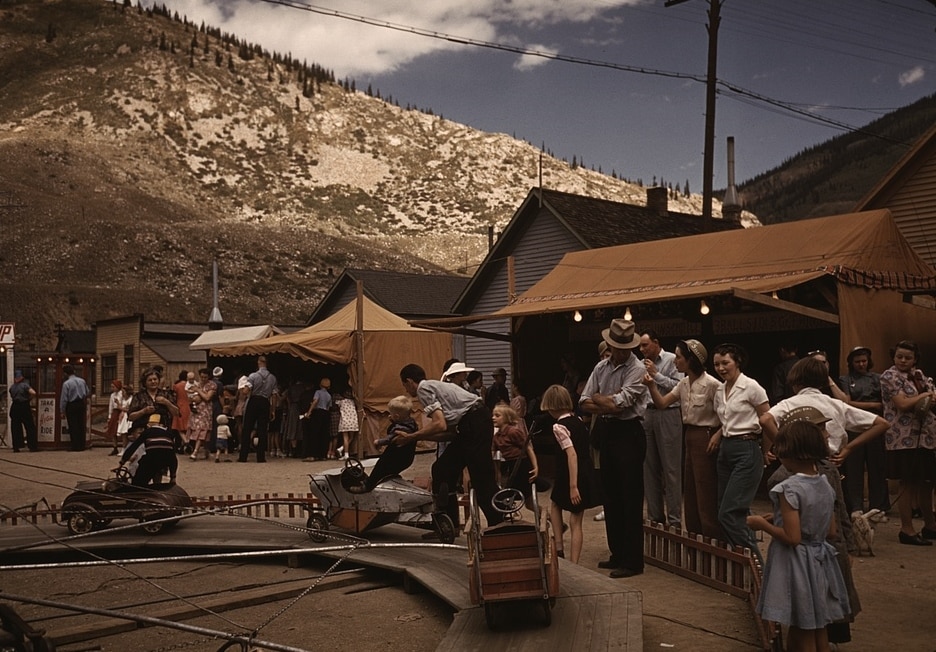
In Mississippi Delta cotton country, this fair preserves distinctive Southern fair traditions. Gospel music performances and soul food cooking competitions celebrate African American cultural contributions, while cotton farming exhibitions document the crop that shaped regional history. Evening mud bog competitions, where powerful trucks navigate challenging courses, showcase modern rural entertainment evolving from agricultural roots.
Montgomery County Agricultural Fair
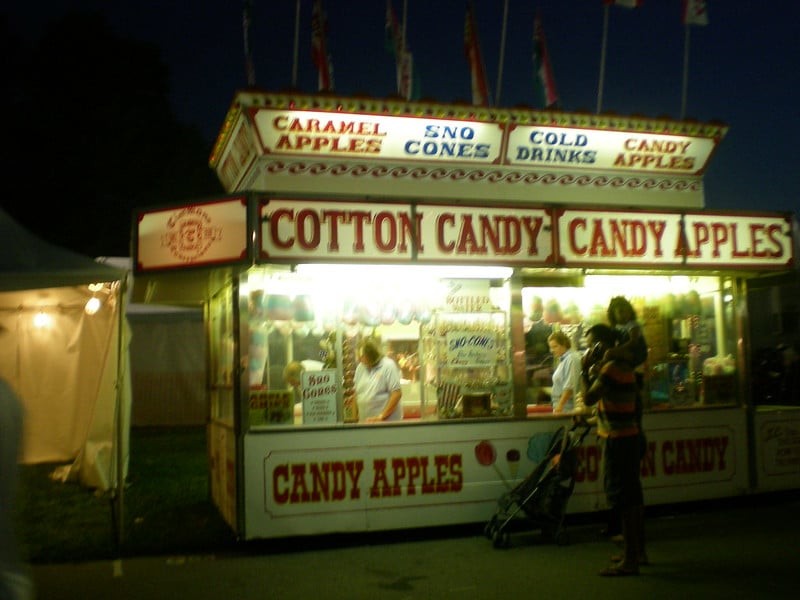
Near Washington DC, Maryland’s largest county fair combines urban accessibility with deep agricultural roots. The fair’s “Old Timers” exhibition, where senior farmers demonstrate historic equipment and techniques, creates direct connections between generations. Evening pig races and barnyard fashion shows make agricultural experiences accessible to urban visitors while maintaining authentic educational value about farming practices.
Neshoba County Fair
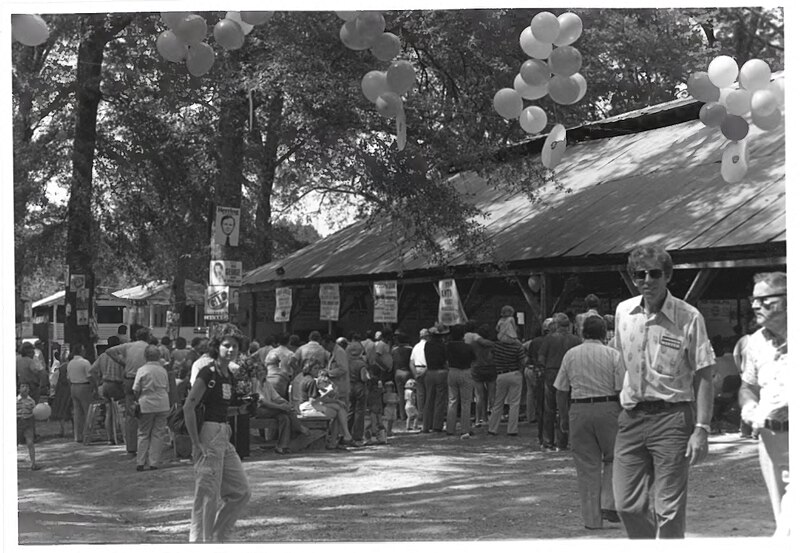
Mississippi’s unique “Giant House Party” combines traditional fair elements with a campground of colorful cabins where families have gathered for over a century. Political stumping traditions have made it an essential stop for candidates since 1896. Week-long family reunions in the distinctive cabins, evening square dances, and harness racing create a Southern fair experience unlike any other in America.
Hillsborough County Fair

Florida’s unique agricultural traditions shine at this Tampa-area fair, where citrus competitions and tropical plant exhibitions replace northern crop displays. Youth livestock competitions remain strong despite urban development pressures on local agriculture. Evening rodeo events blend traditional Western entertainment with distinctive Florida “cracker” cowboy heritage that predates the state’s tourist-focused development.
Alameda County Fair
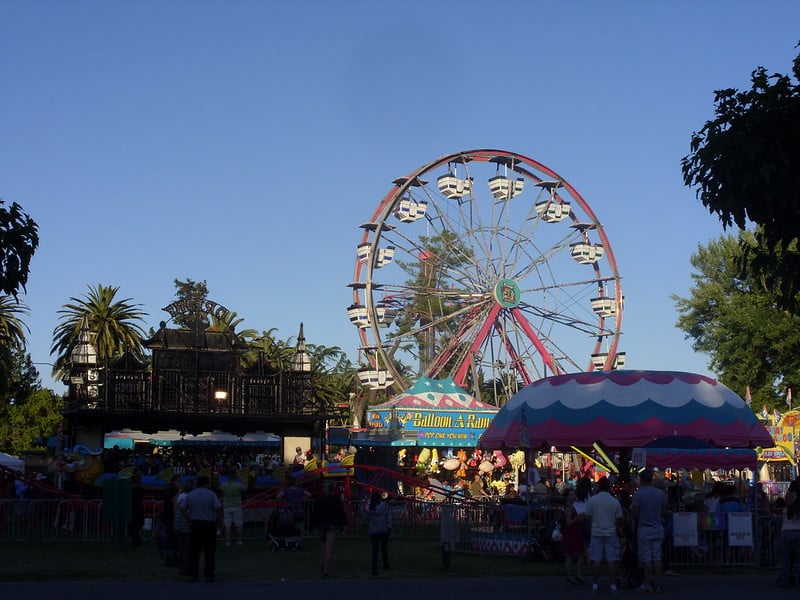
In California’s Bay Area, this fair balances Silicon Valley’s technological present with the region’s agricultural past. Wine competitions showcase local vineyards, while urban farming exhibitions demonstrate how agricultural traditions continue evolving. The fair’s horse racing tradition dates to 1858, making it one of America’s oldest continuous racing venues, connecting modern visitors to California’s pre-tech economy.
LA County Fair
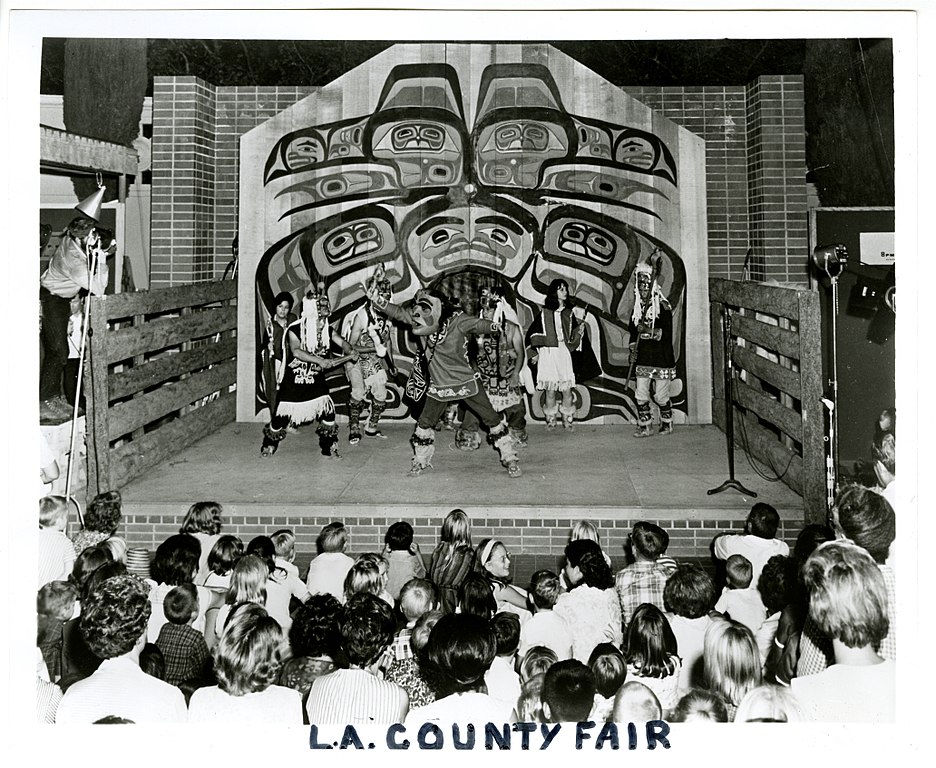
One of America’s largest county fairs transforms Pomona, California into a massive celebration balancing agricultural roots with Southern California entertainment culture. The fair’s tremendous size—covering nearly 500 acres—allows for extensive exhibitions ranging from championship livestock to award-winning wine competitions. Urban visitors experience agriculture through educational displays while enjoying entertainment reflecting Los Angeles’ diverse cultural influences.
Orange County Fair
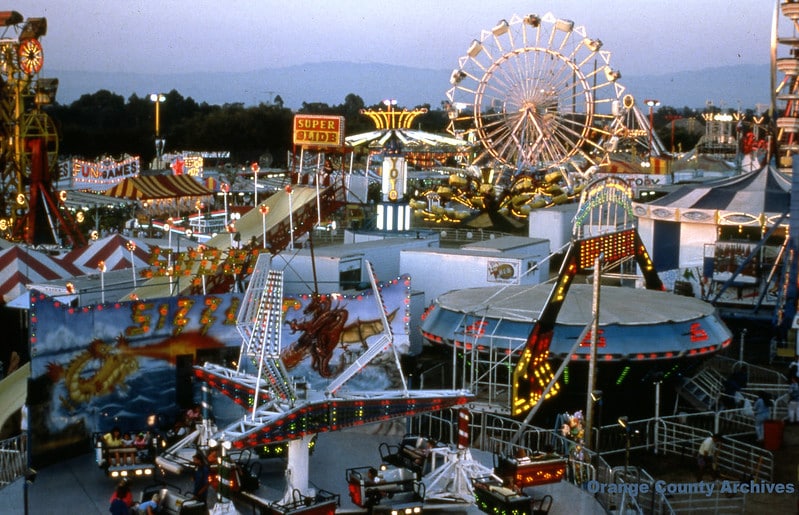
Between Los Angeles and San Diego, this California fair adapts traditional agricultural exhibitions for largely urban audiences. Interactive farming displays let visitors milk cows and harvest vegetables, providing hands-on experiences increasingly rare in suburban life. Competitive exhibitions of everything from livestock to table settings maintain traditional fair elements while carnival attractions draw crowds seeking classic midway thrills.
Pasco County Fair
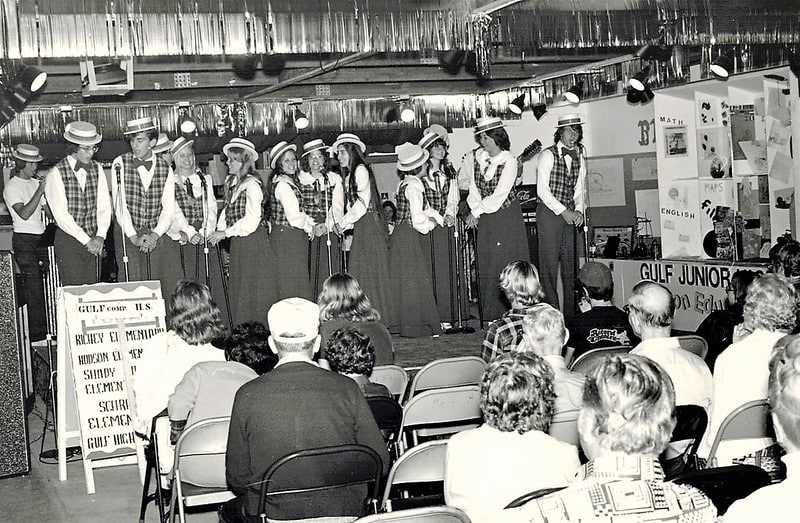
Florida’s Gulf Coast agricultural traditions take center stage at this fair, where citrus competitions and tropical livestock breeds reflect the region’s distinctive farming practices. Strawberry festivals and watermelon seed-spitting contests celebrate local crops that thrive in the warm climate. Evening rodeo events combine traditional Western entertainment with regional “cracker” cowboy heritage that predates Florida’s tourism-focused identity.
Pima County Fair

In Arizona’s desert landscape, this Tucson-area fair showcases unique southwestern agricultural adaptations. Cactus fruit competitions and drought-resistant crop exhibitions highlight desert farming innovations. Native American agricultural traditions dating back centuries receive special focus, while evening rodeo events celebrate the region’s ranching heritage that continues despite urbanization and environmental challenges.
San Diego County Fair (Del Mar Fair)
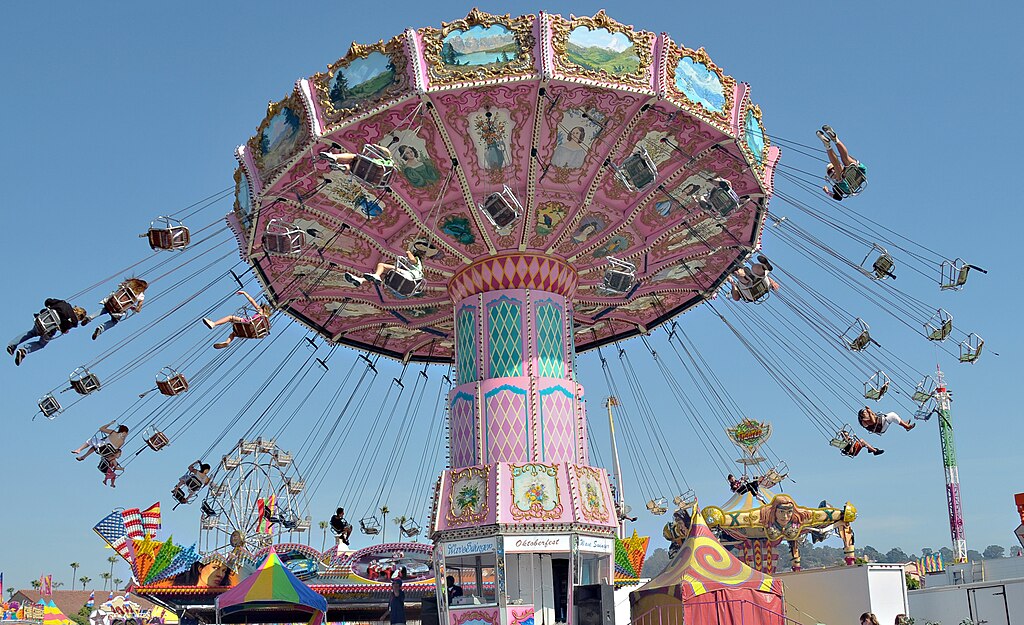
California’s oldest and among its largest county fairs combines coastal culture with agricultural heritage. The fairgrounds’ spectacular ocean views create dramatic backdrop for livestock exhibitions and flower competitions showcasing the region’s year-round growing season. The fair’s theme changes annually, but always maintains strong agricultural educational components despite San Diego’s urban identity.
Weston County Fair
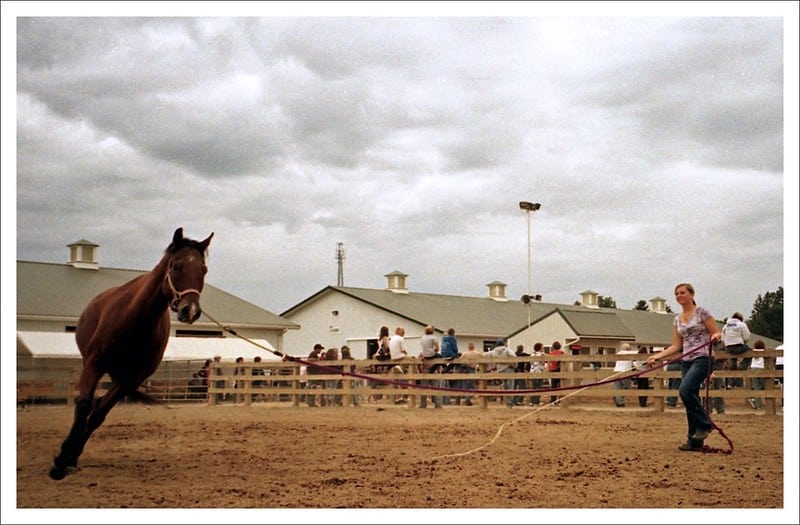
Wyoming’s ranching traditions remain front and center at this authentic Western fair. Working ranch competitions test actual skills cowboys use daily rather than rodeo showmanship. The fair’s remote location ensures it remains focused on serving agricultural communities rather than urban tourists, maintaining traditions like community beef barbecues using locally raised cattle and evening dances in the exhibition hall.
Kittitas County Fair
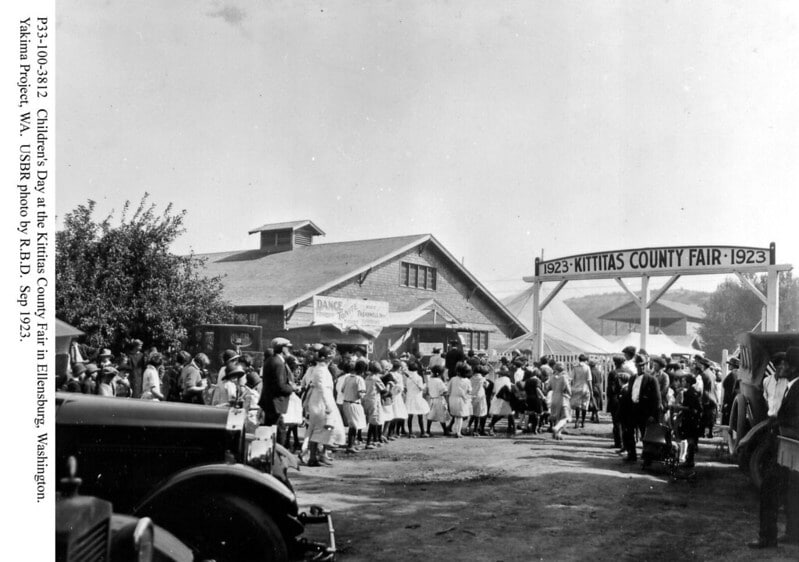
In Washington’s Cascade Mountain foothills, this fair celebrates the region’s unique agricultural mix of cattle ranching, hay production, and timber industries. Draft horse competitions remind visitors of pre-mechanized farming, while forestry demonstrations connect to the region’s timber heritage. The fair’s rodeo, among the oldest in the Northwest, continues traditions dating to the days when working cowboys gathered to test their skills.


