
In the old days, everything was simpler, a little slower, and filled with things that today’s kids wouldn’t have a clue about. From paging through a book instead of Googling it, and rewinding tapes with a pencil, the everyday items that were once used have become total mysteries to present-day kids. So let’s walk down memory lane and talk about 15 things that will utterly confuse today’s generation!
Floppy Discs
(Mick Baker)rooster/Flickr
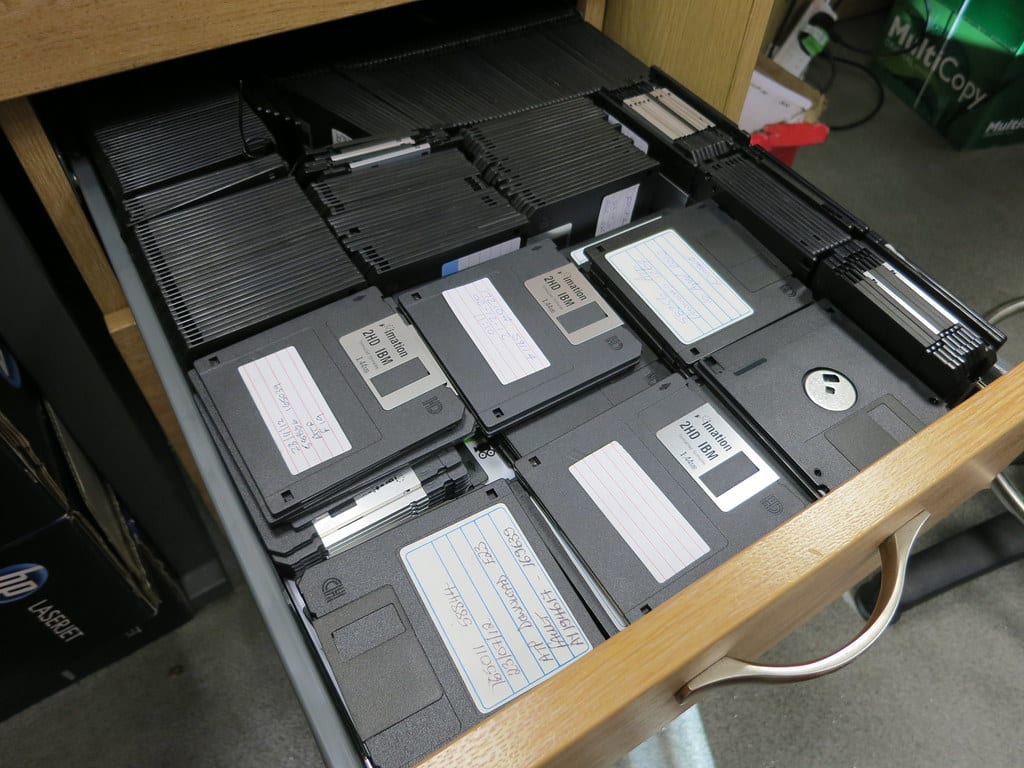
Before the creation of USBs and easily accessible cloud storage, floppy discs were your go-to storage devices. Although most floppy discs could only hold 1.44 MB of data, they were still the best you had at the time. But just think about it, many photos in our time are well over 1.44 MB, so a floppy disc would be useless today. The kids of today might think a floppy disc resembles a vintage coaster more than a device for data storage.
Encyclopedias
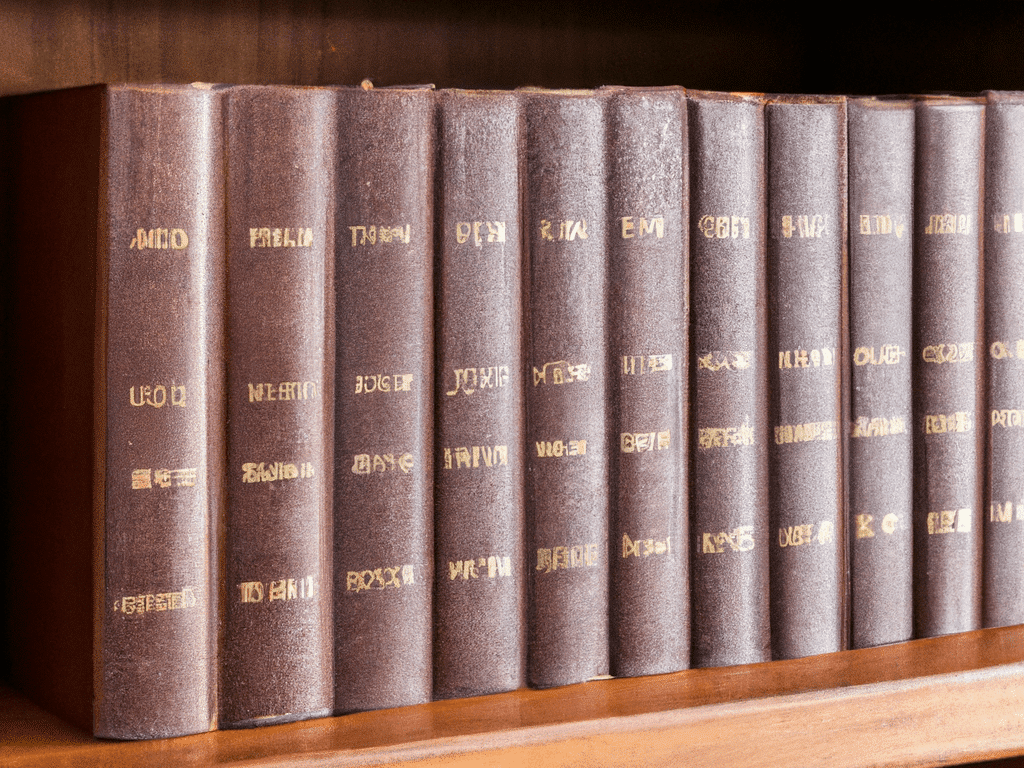
Encyclopedias were once the ultimate place to find knowledge about your school project or just knowledge in general. They were massive, multi-volume books that would take up an entire shelf, if not more, depending on the number of volumes. Before Google, you had to flip through each page to find the fact you were looking for. Modern kids wouldn’t understand why you would use a book to look something up when you can just use Google!
Rotary Phones
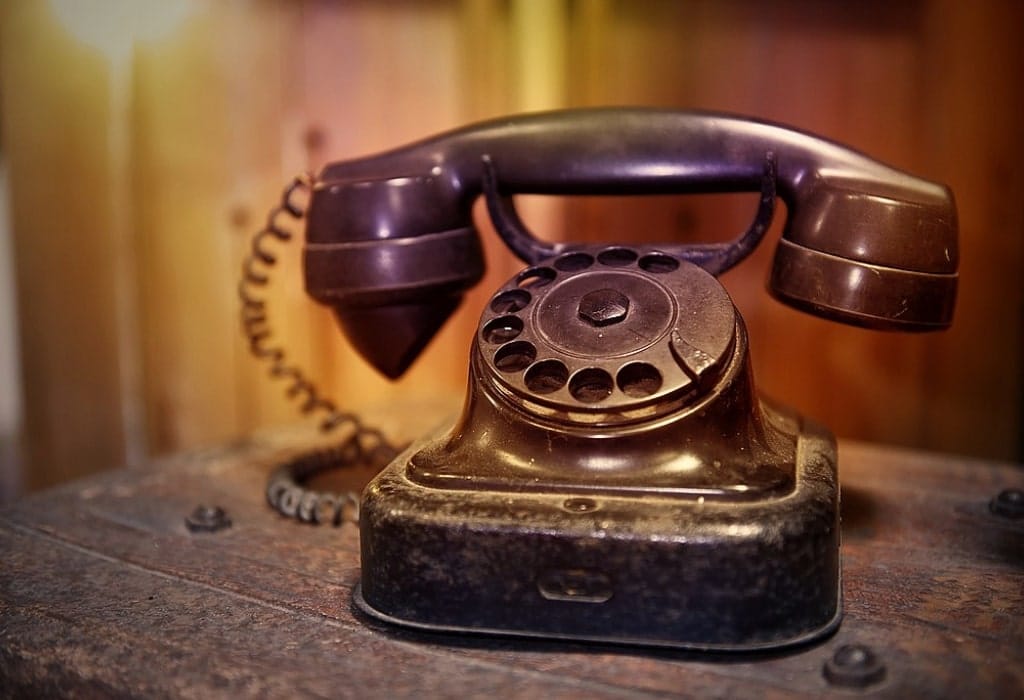
Back in the day, almost every household that could afford one had a rotary phone. They were usually placed next to a phone book or some sort of note with all the numbers on it. Using a rotary phone took patience, especially if you had to get to the 9 or the 0. Kids these days would have to not only remember a number to use a rotary phone, but also deal with the fact that it can take up to a minute simply to dial in a number.
Phone Books
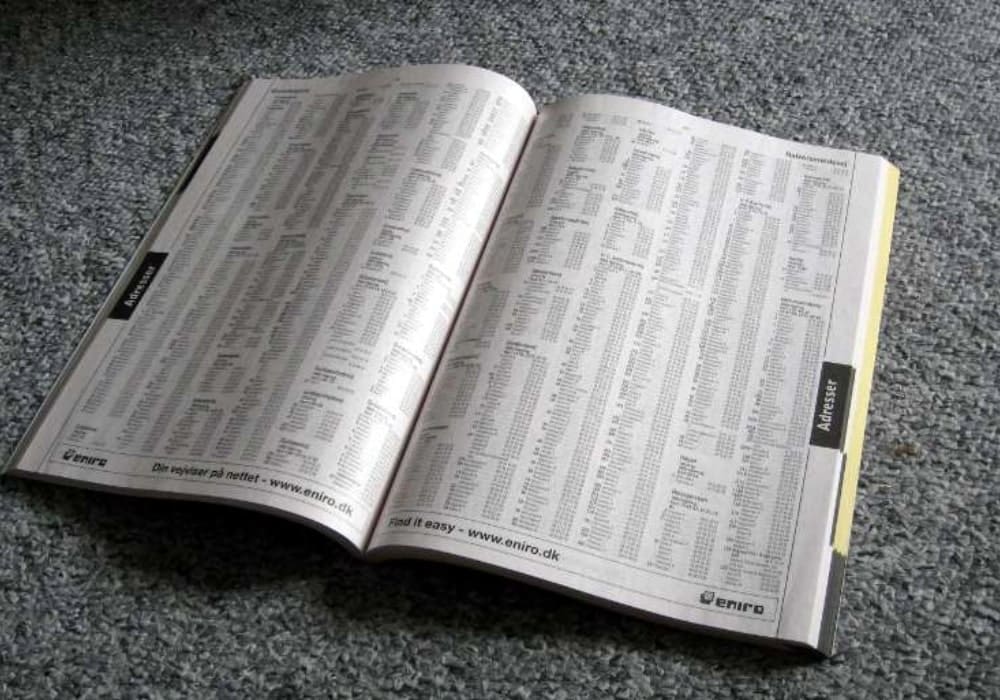
If you ever needed a number in the good old days, you’d have to go fetch the household phone book. The book contained thousands of numbers and hundreds of pages, with white pages for people and yellow pages for businesses. There was no search bar—only alphabetical order and fine print. Kids today could simply Google a number they don’t know.
Cassette Tapes
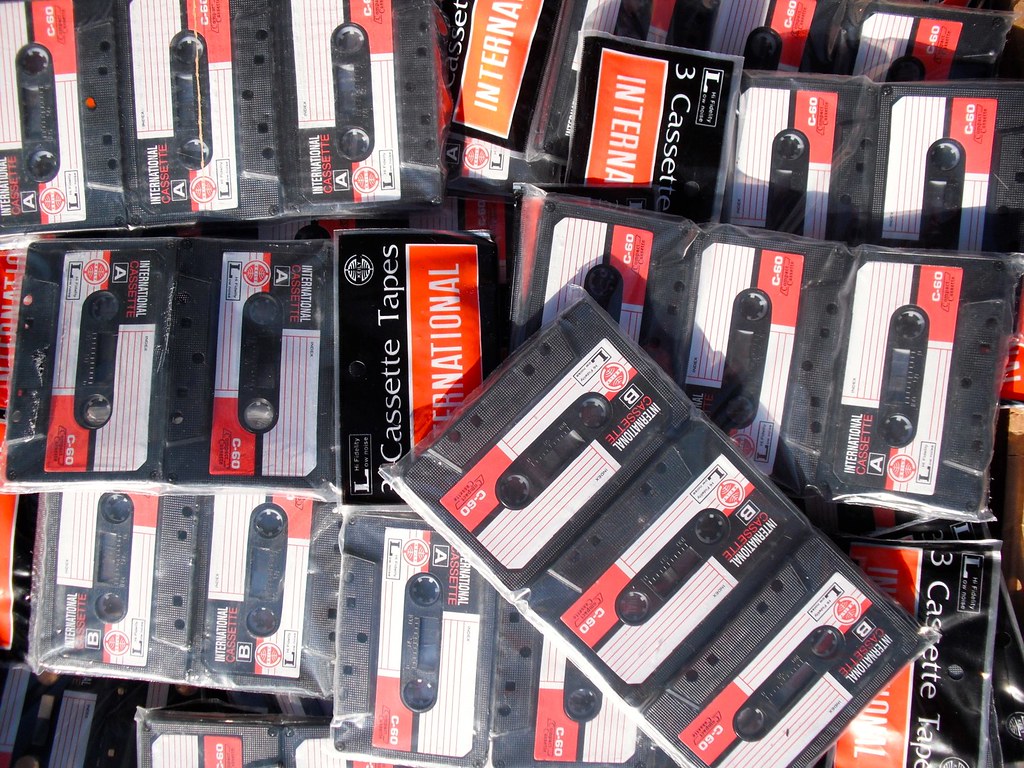
Cassette tapes were once the most convenient way to store music that you could carry with you or listen to on your massive radio. Unfortunately, many tapes would get tangled, and if you couldn’t use a pencil to rewind the tape, all your precious songs might be lost. You had no shuffle button and no playlists, so you had to listen to the tape from start to finish depending on the song you wanted to hear.
Rolodex
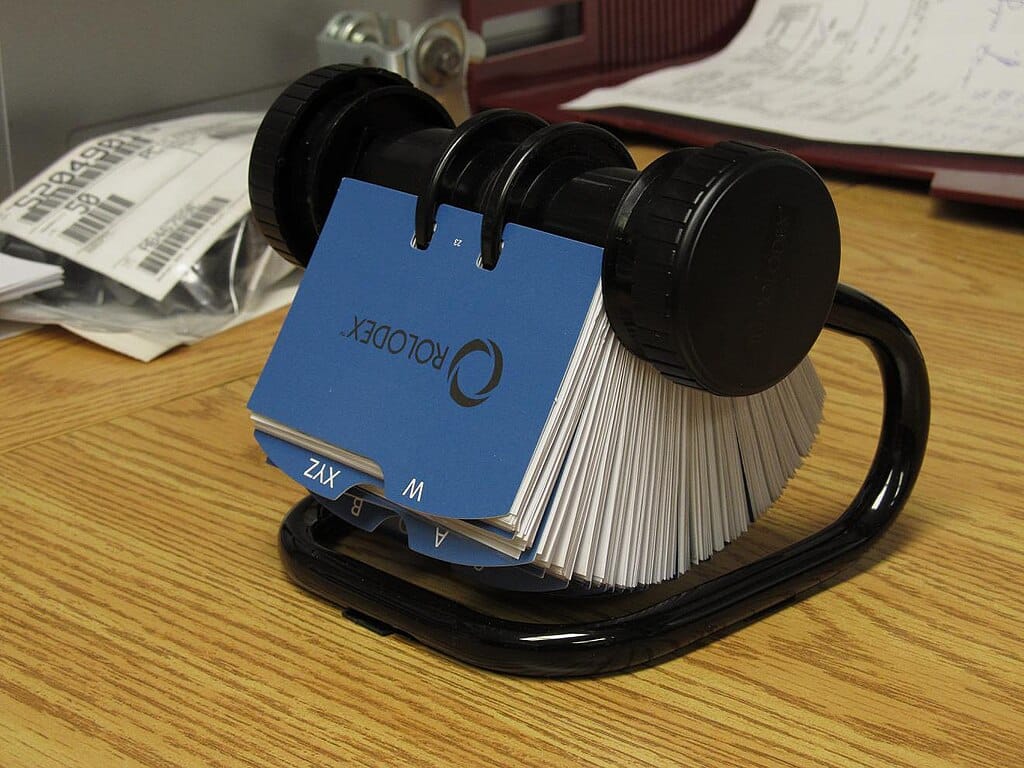
A Rolodex used to sit on almost every working person’s desk. These rotating devices contained business cards and contacts, acting like mini card catalogs. If you ever needed a number, all you had to do was flip through the alphabetized tabs until you got to the contact you were looking for. In today’s time, kids have a contacts app on their phone and would rather die than be caught using a Rolodex.
Paper Maps

Before you could use GPS to get wherever you wanted to go, you’d have to rely on a paper map. These were massive sheets of paper that you had to unfold and carefully examine to find the right highway or building. Not to mention, folding the map back up when you were done was a skill in itself. Today, all you need to do is use Google Maps, type in the destination you’d like to reach, and press “GO”.
Typewriters
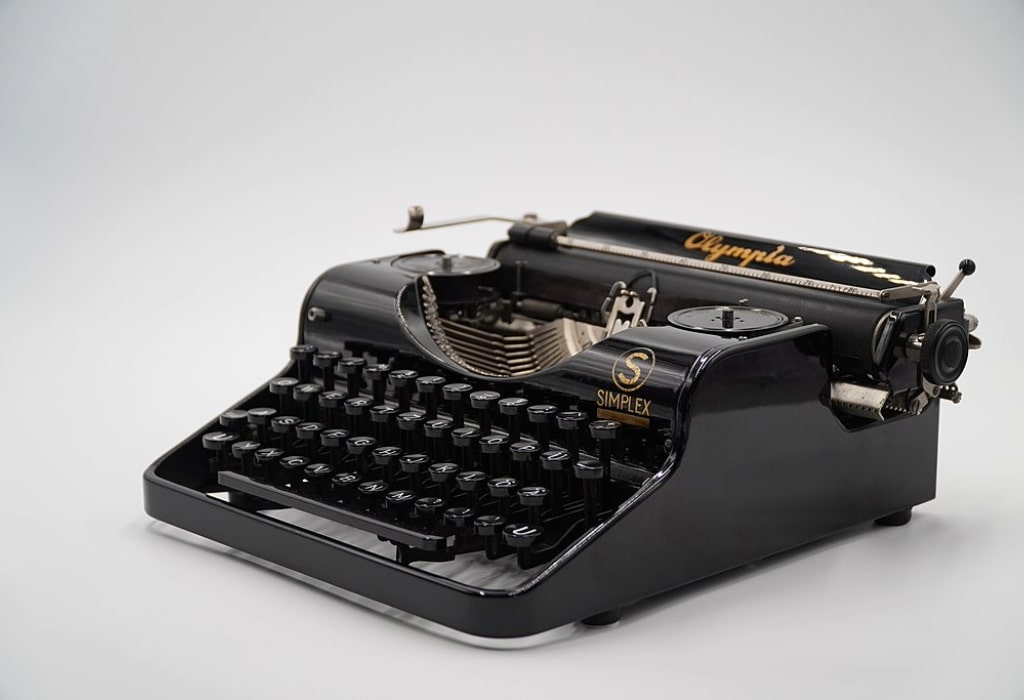
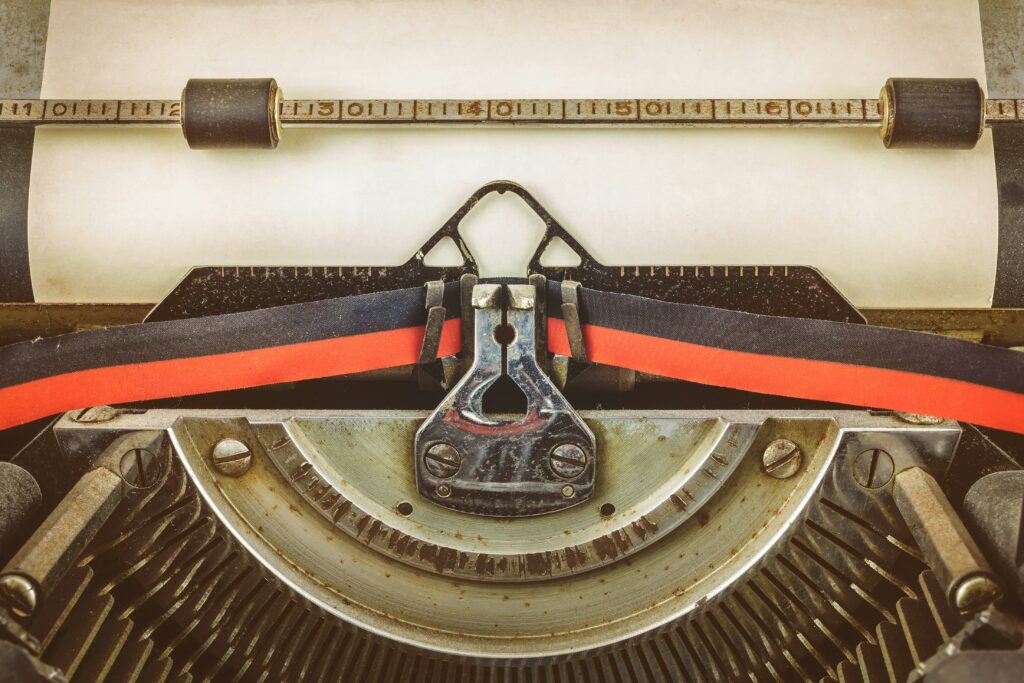
Typewriters required you to load paper, tap heavy keys that would audibly click back each time you pressed them, and live with the constant fear of making a typo since there was no backspace. These machines showcase a time when you had to be perfect in your writing, and if you were, you would be met with the iconic “ding” at the end of each line.
Traveler’s Checks
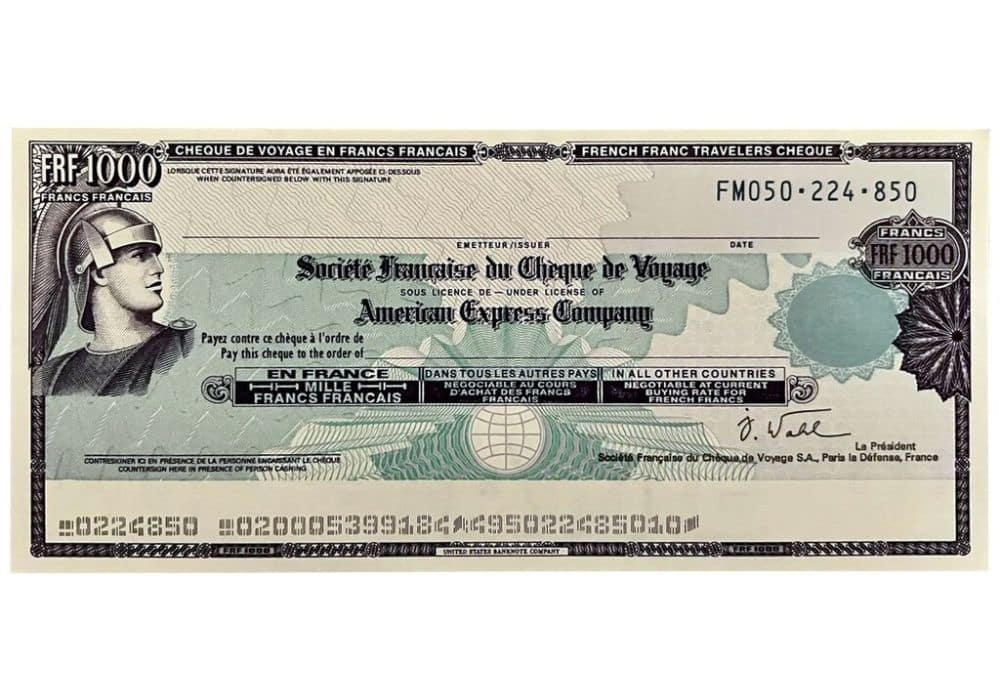
Before you had debit cards and digital wallets to easily spend money overseas, you’d have to carry a paper check with you. Before using one, you’d have to sign it and cash it into a bank or store where you wanted to make a purchase. Although they were safer than carrying cash, they’ve become outdated in today’s fast-paced digital age.
Microfilm
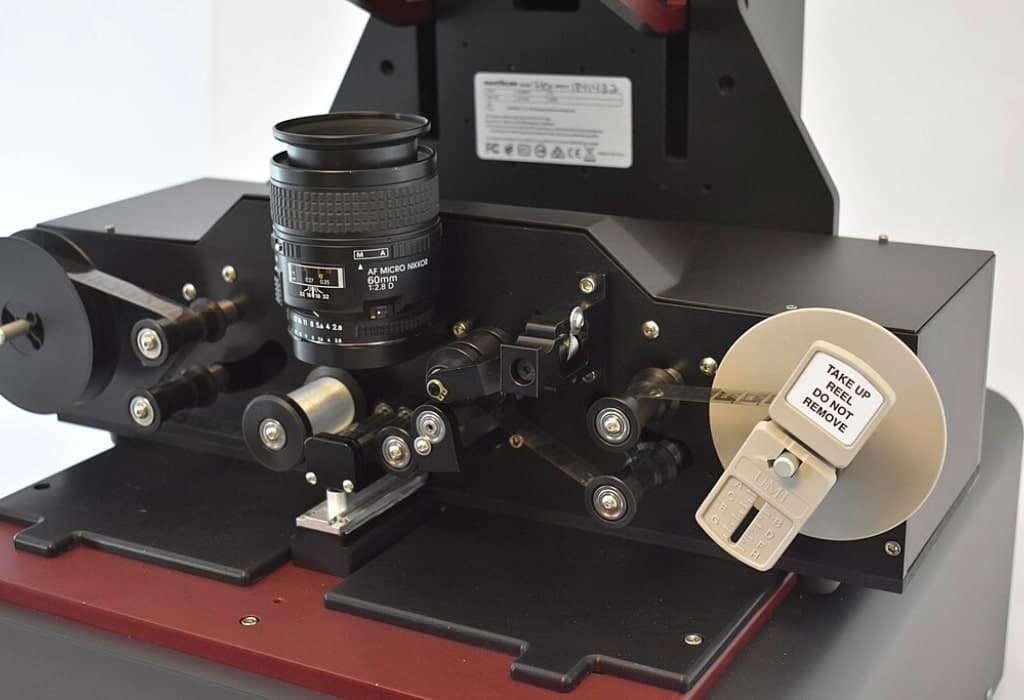
These tiny reels of film once held entire documents, newspapers, and archives. So if you wanted to research what was on them, you’d have to squint at blurry images through a machine often found in the library’s basement. It was a slow process that would have the kids of today retreat to Google before they knew it.
Fax Machines
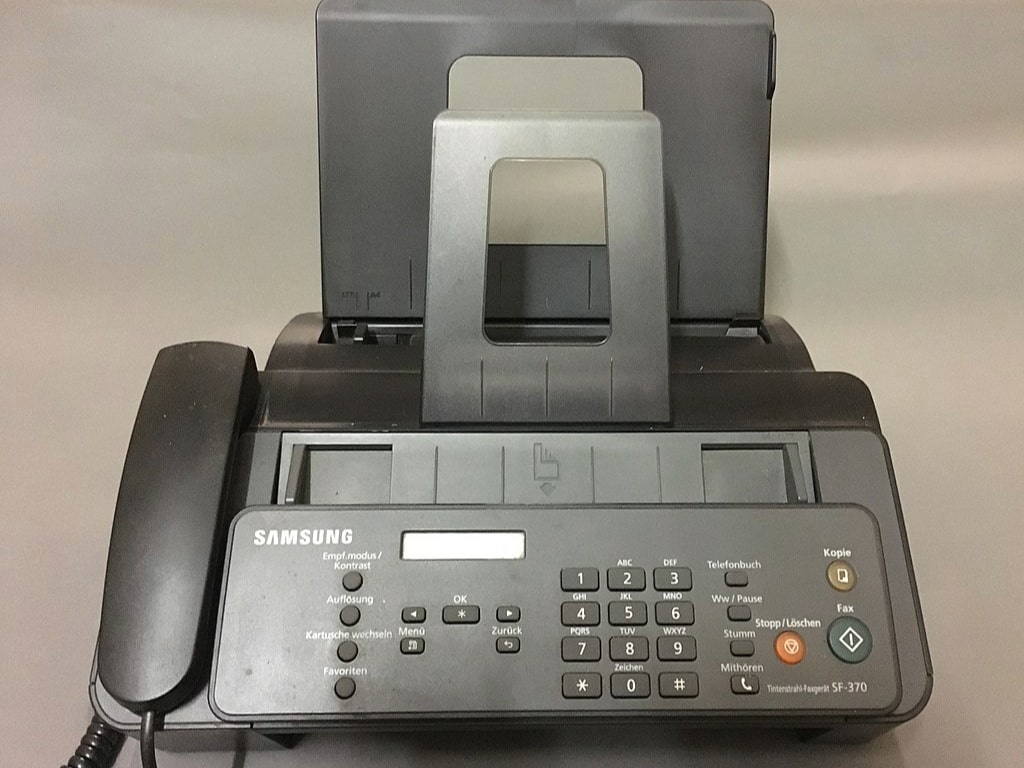
Fax machines were slow printers connected to a phone line. Their high-pitched whines and beeps signaled the receiving and sending of countless documents. At the time, it was cutting-edge office technology, but in today’s age, they don’t see much use. Some businesses might still have a modern-day fax machine just in case, but most of the older machines have now been replaced by more modern technology.
Portable Audio Players
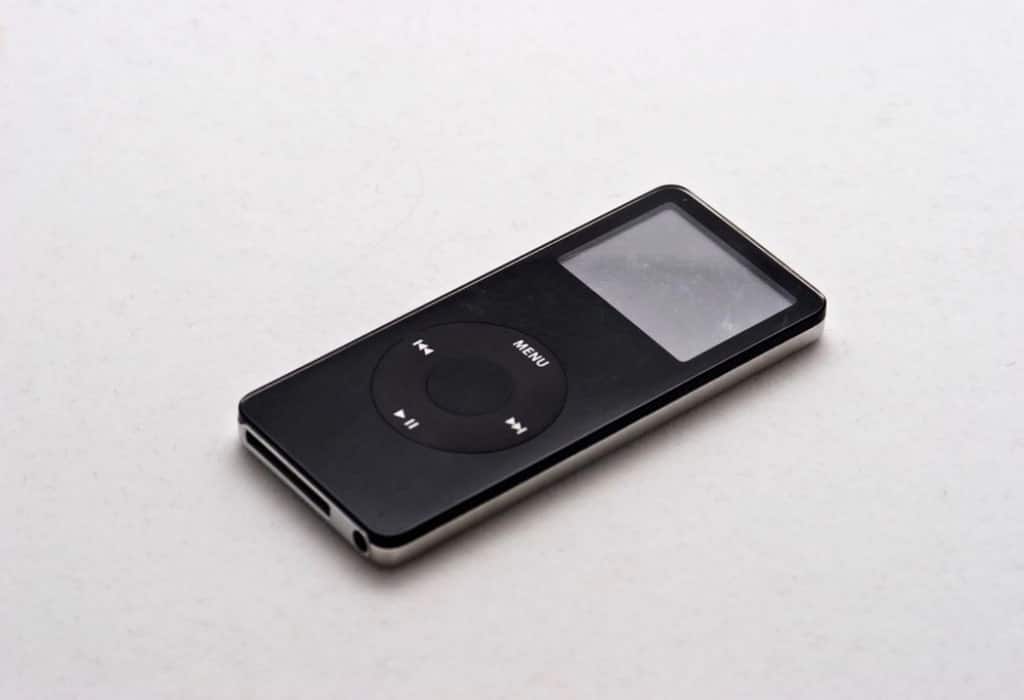
The old Discmans and Walkmans let you bring music wherever you went. You had to carry tons of spare batteries and take care not to bump them too hard, but if you had those sorted, your portable music would play on. CD and cassette skips were all part of the charm, but in today’s age, there’s little charm left in our devices. All kids have to do today is stream through one of the many music streaming services.
Pagers
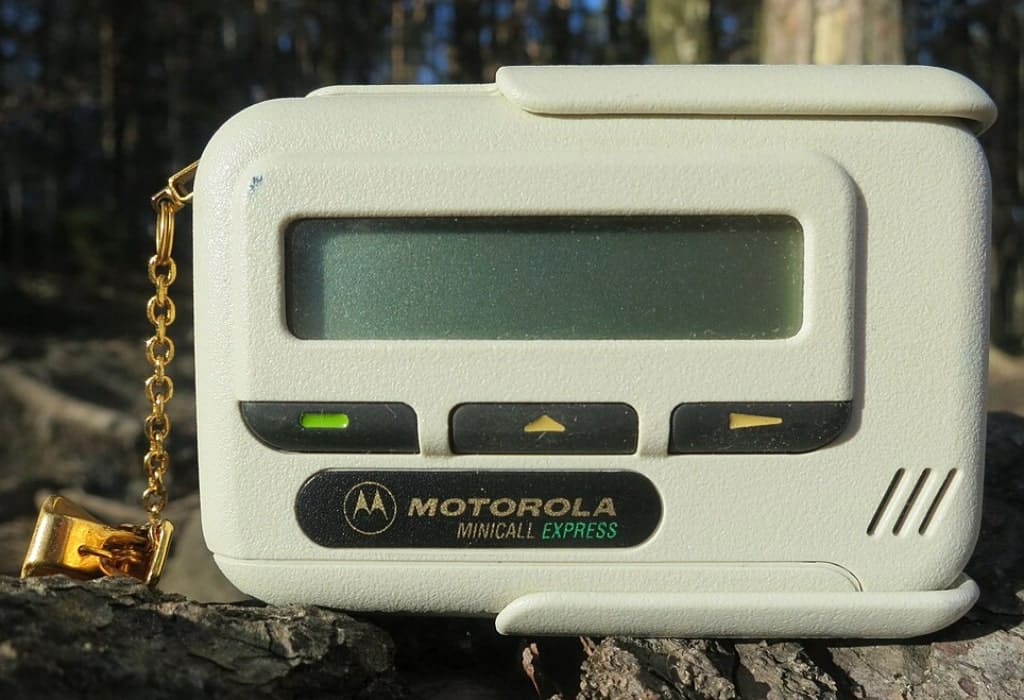
Before you had cell phones to quickly send someone a message, you had pagers. These small devices could easily fit in your pocket or t-shirt and made a distinct beeping sound whenever someone sent you a message. Sometimes the message signaled the end or beginning of a shift, or it was as if someone wanted you to call them back. Kids today might think of pagers more like glorified Tamagotchis.
Test Patterns

When your TV went off the air for the night or wasn’t connected to anything, colorful test patterns would replace traditional programming. They played a constant loud tone with no content, which often meant bedtime for the kids or no more entertainment for the grown-ups. Today we don’t have these issues, as most services allow you to seamlessly stream any program you want.
CD/DVD Storage Binders
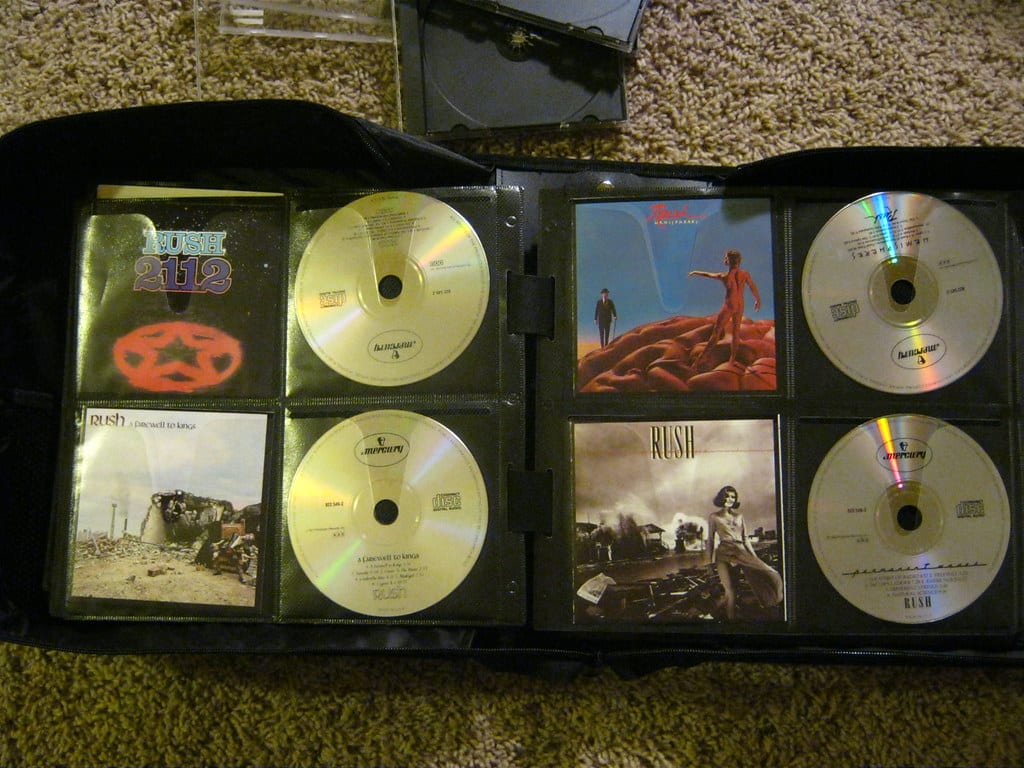
At some point, all of us had binders packed with our favorite CDs. Each CD had its own charm, some with handwritten labels describing what the CD contained. Flipping through a binder was like scrolling through your playlists and deciding which one you were going to listen to that day. Today, you can store your music in the cloud and access it anywhere there is an internet connection.
