

Urban environments might seem strictly human territory, but cities host surprising wildlife that has adapted to metropolitan life. Beyond common pigeons and squirrels, American cities harbor unusual creatures that most residents never notice. These animals find food, shelter, and breeding grounds amid concrete and skyscrapers. From subway tunnels to rooftop gardens, urban ecosystems support bizarre and fascinating wildlife. Their presence reveals nature’s remarkable adaptability to human-dominated landscapes.
Alligator Snapping Turtles
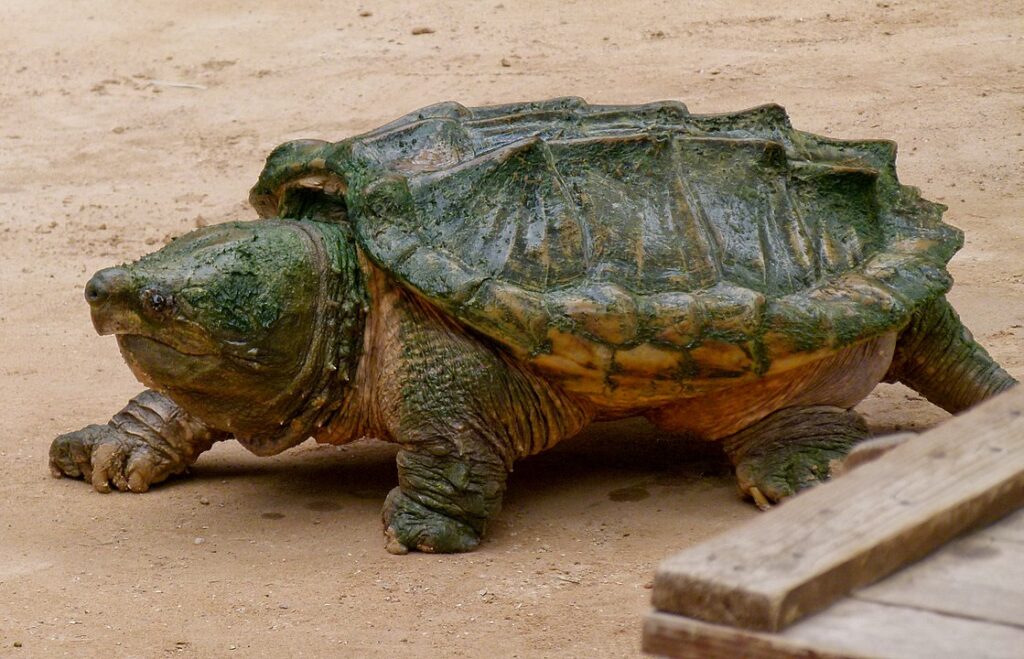
These prehistoric-looking reptiles lurk in urban waterways throughout the southeastern United States. With spiked shells weighing up to 200 pounds and powerful jaws, they appear more dinosaur than turtle. Chicago’s drainage canals and Houston’s bayous harbor these ancient creatures. They use their worm-like tongue appendage to lure unsuspecting fish. Urban development has pushed them into city water systems where they find abundant food. Many residents never realize these massive predators live beneath park ponds.
Monk Parakeets
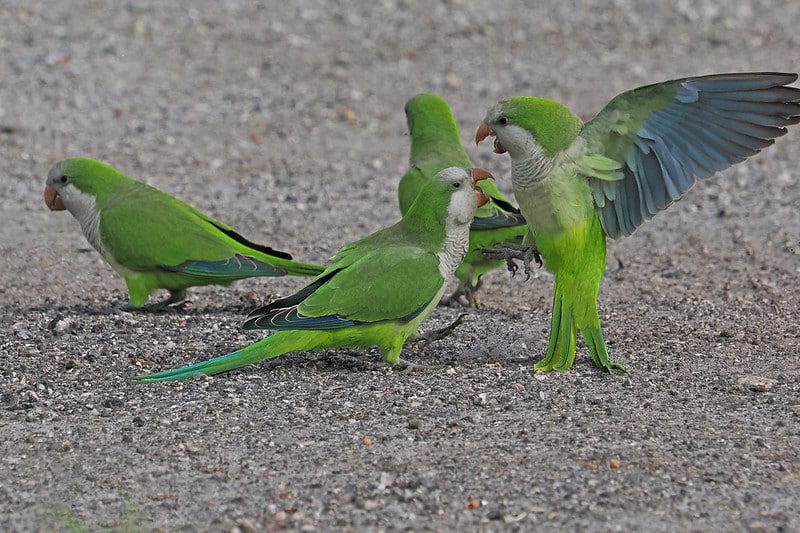
Bright green parrots seem out of place against New York, Chicago, and Austin skylines, yet wild colonies thrive. Escaped or released pets established breeding populations starting in the 1960s. The birds build massive communal nests on utility poles and bridges, sometimes causing power outages. Their raucous calls surprise urbanites who don’t expect tropical birds in northern cities. Unlike many non-native species, these parakeets handle harsh winters remarkably well, using their apartment-like nests for insulation.
Urban Coyotes
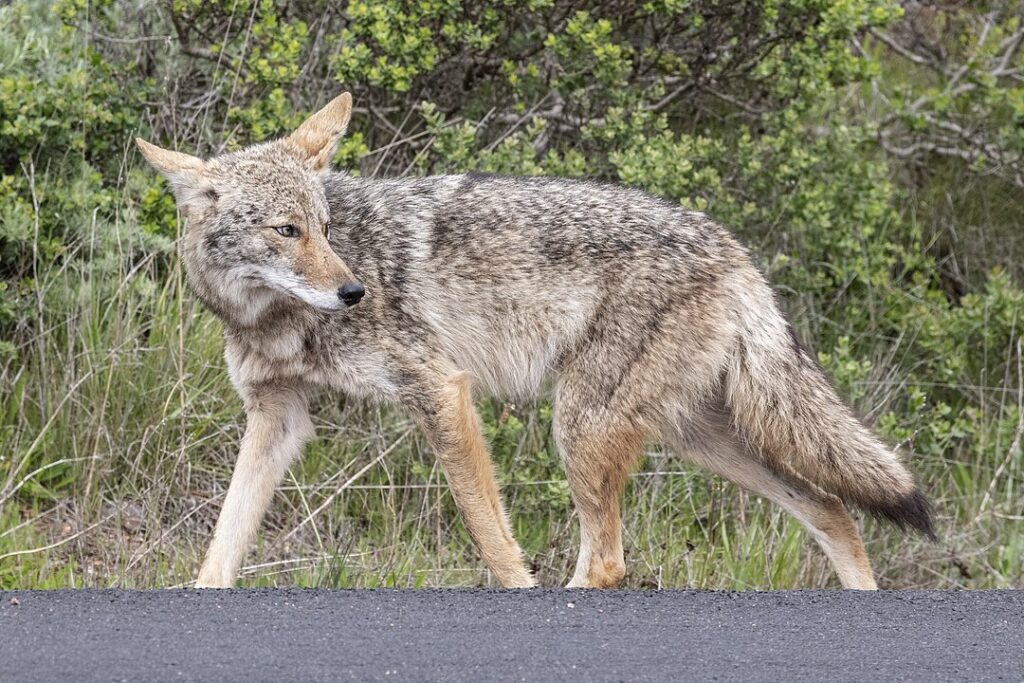
Highly adaptable predators, coyotes now inhabit nearly every major American city. Chicago alone hosts about 4,000 of these wild canines. They move through urban areas using railroad tracks, parks, and cemetery corridors. Nocturnal and naturally shy, many coyotes live among millions of people unnoticed. They’ve learned to navigate traffic, subsist on rodents and human trash, and raise pups under porches or in abandoned lots. Urban coyotes grow smaller and more nocturnal than their rural cousins.
Albino Squirrels
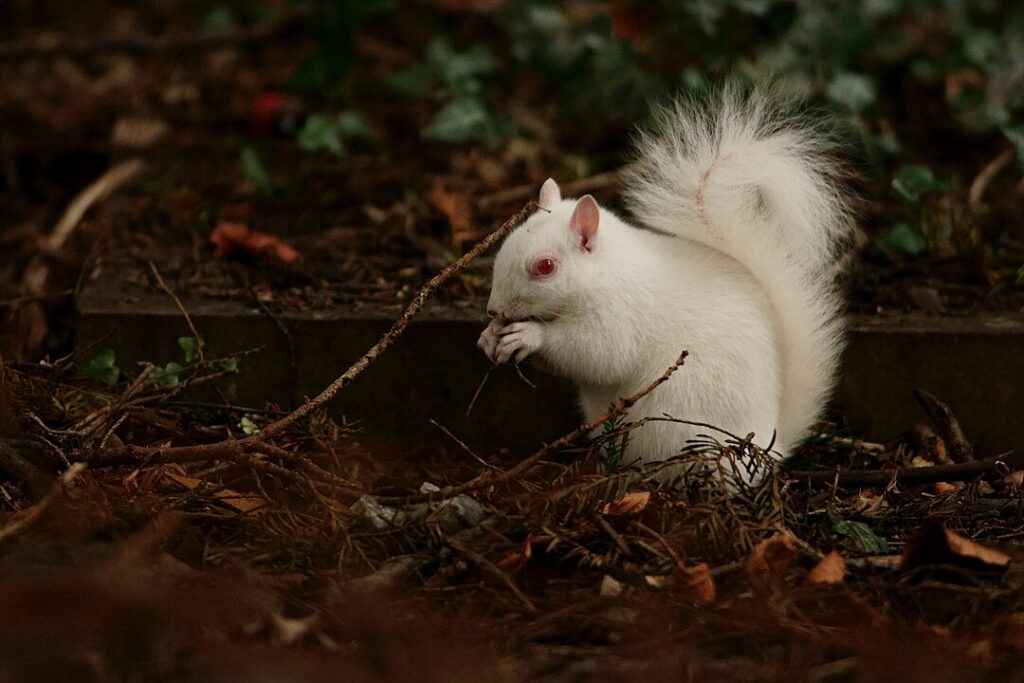
Several American cities claim fame as homes to rare white squirrel populations. Olney, Illinois calls itself the “White Squirrel Capital,” protecting its unusual residents with special traffic signs. These aren’t true albinos but leucistic squirrels with white fur and dark eyes. Colonies exist in Brevard, North Carolina; Marionville, Missouri; and Exeter, Ontario. University campuses oddly host many populations – Oberlin College students consider white squirrel sightings good luck before exams.
Tarantula Hawks
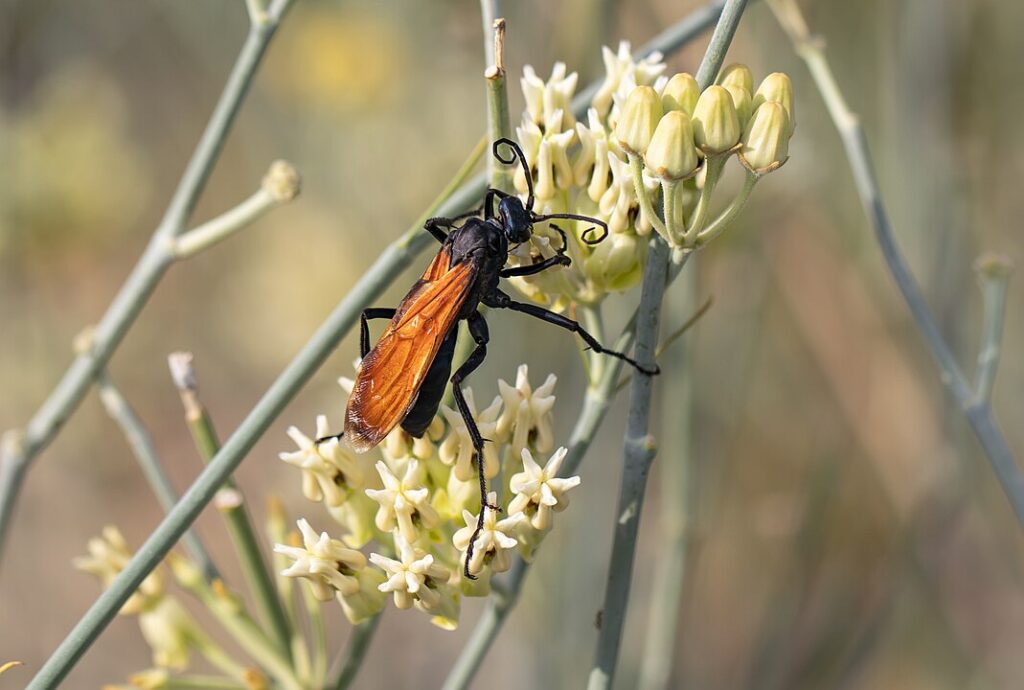
These massive wasps with vibrant orange wings patrol parks and gardens in southwestern cities like Phoenix and Las Vegas. Despite their terrifying name and painful sting (rated second-worst in the insect world), they rarely bother humans. They hunt tarantulas, paralyzing the spiders to serve as living food for their larvae. Urban gardens provide perfect habitat with flowering plants for adults and sheltered areas for hunting. Their metallic blue-black bodies can reach two inches long.
Flying Squirrels
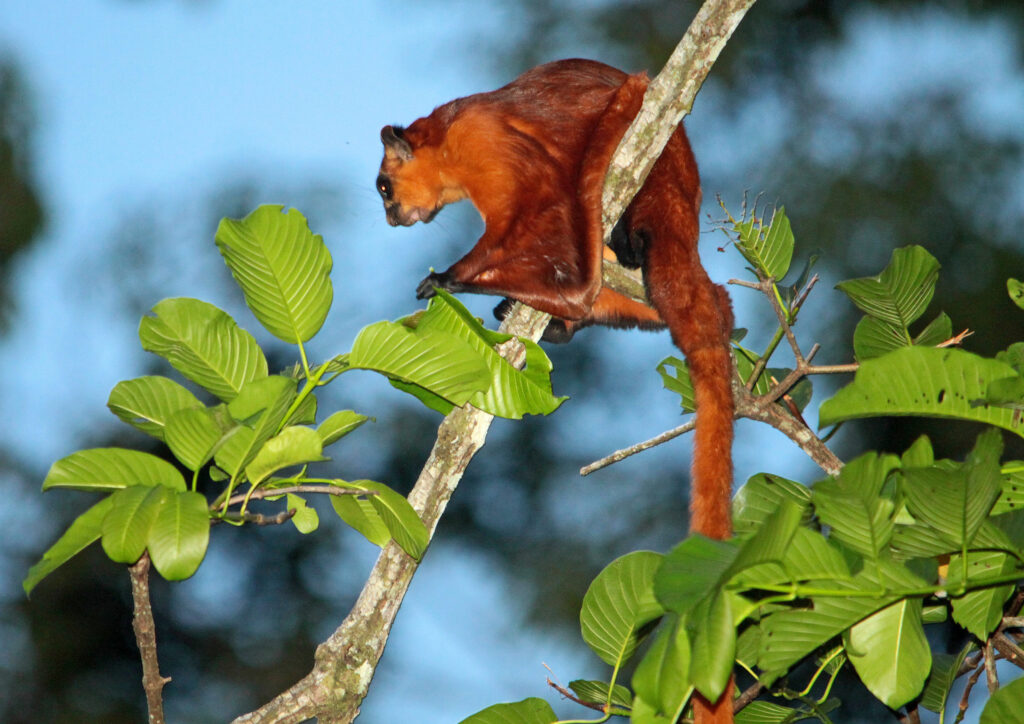
Most city dwellers never spot these nocturnal gliders living in urban parks and mature neighborhoods. Unlike their daytime cousins, flying squirrels have large eyes for night vision and skin flaps that allow them to glide up to 150 feet between trees. Boston, Atlanta, and Washington DC parks harbor these secretive mammals. They feast on nuts from ornamental trees and insects attracted to city lights. Their soft calls and nighttime activity keep them virtually invisible to humans despite living in close proximity.
Peregrine Falcons
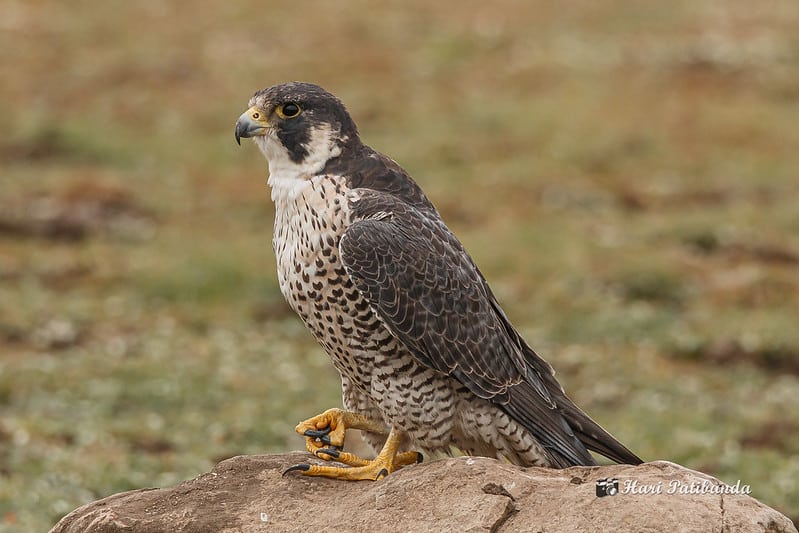
Once endangered, these birds of prey now hunt pigeons from skyscraper perches across American cities. They dive at speeds exceeding 200 mph, making them the fastest animals on Earth. Urban environments provide ideal habitats – tall buildings mimic cliff faces, and abundant pigeons offer endless food. New York City hosts over 20 nesting pairs. Many buildings install special nesting boxes, and downtown workers watch falcon families through livestreaming nest cameras. Their comeback represents a rare urban conservation success story.
Roof Rats
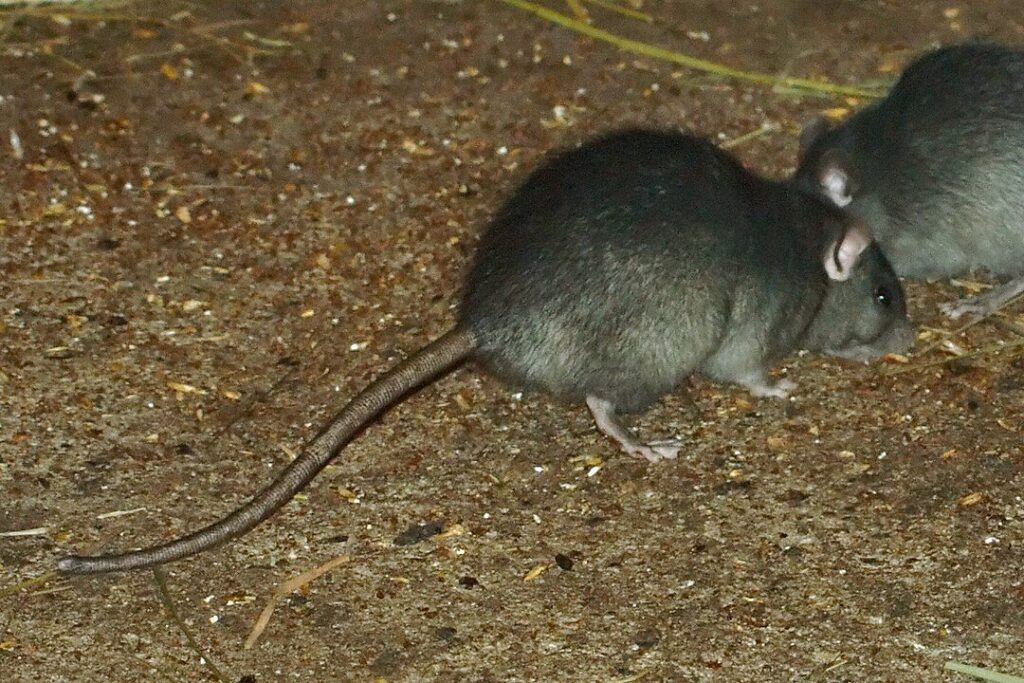
These nimble rodents live their entire lives above ground level in warm-climate cities. Unlike common Norway rats, roof rats excel at climbing and rarely touch the ground. Palm trees, attics, and utility lines serve as their highways through Los Angeles, Miami, and Houston. They feast on backyard fruit trees, garden vegetables, and bird seed. Much more agile than common rats, they can travel telephone wires like tightropes. Most residents never notice these nocturnal acrobats living overhead.
Alligator Gar
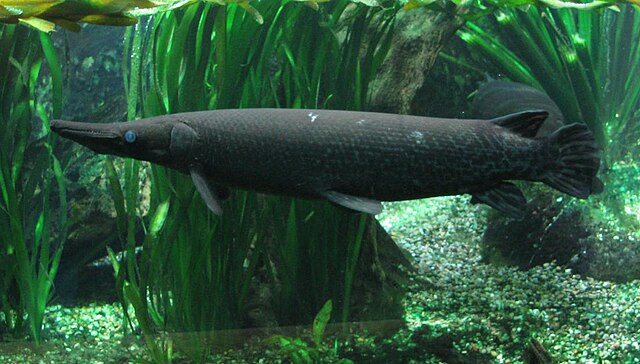
These primitive fish with alligator-like snouts inhabit urban waterways from Texas to Ohio. Growing up to eight feet long with armor-like scales, they look more monster than fish. Dallas, Houston, and Memphis waterways harbor these living fossils. Often mistaken for alligators when surfacing to breathe air, they cause unnecessary panic among city residents. Despite fearsome appearances, they rarely threaten humans. Urban pollution surprisingly doesn’t deter these hardy survivors – they’ve existed virtually unchanged for 100 million years.
Wild Turkeys
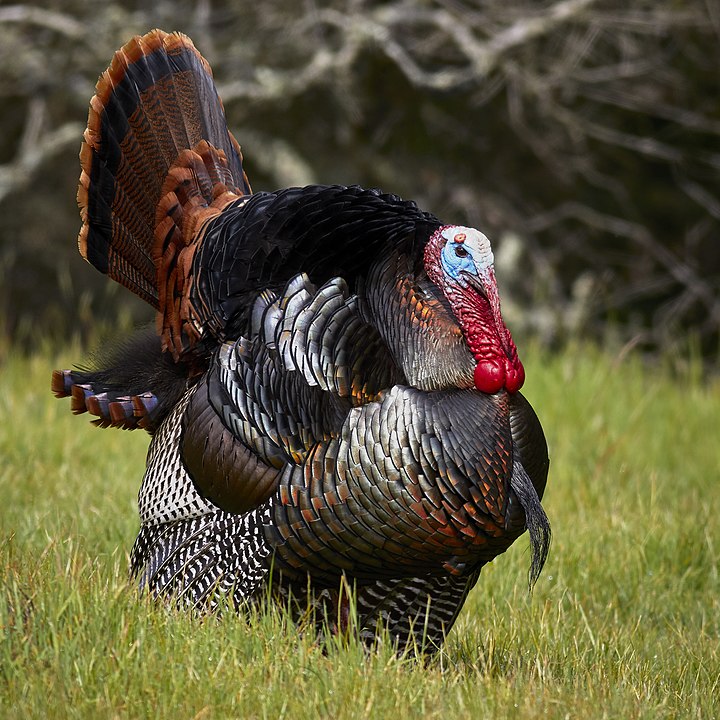
Flocks of wild turkeys strut through neighborhoods in Oakland, Boston, and Staten Island, stopping traffic and confronting mail carriers. Males display impressive feather fans in suburban front yards during mating season. City life suits these large birds surprisingly well – parks provide roosting trees, gardens offer food, and urban areas have fewer predators. Some city flocks become unusually bold, chasing joggers or blocking doorways. Many residents find it surreal watching these Thanksgiving symbols wandering past coffee shops.


